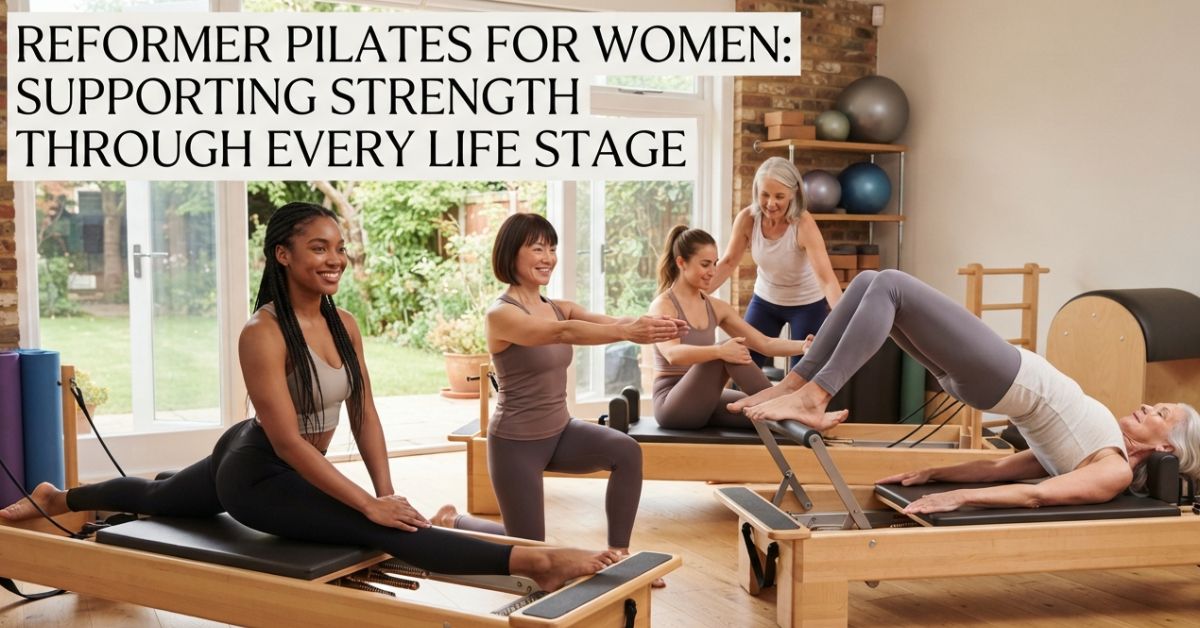
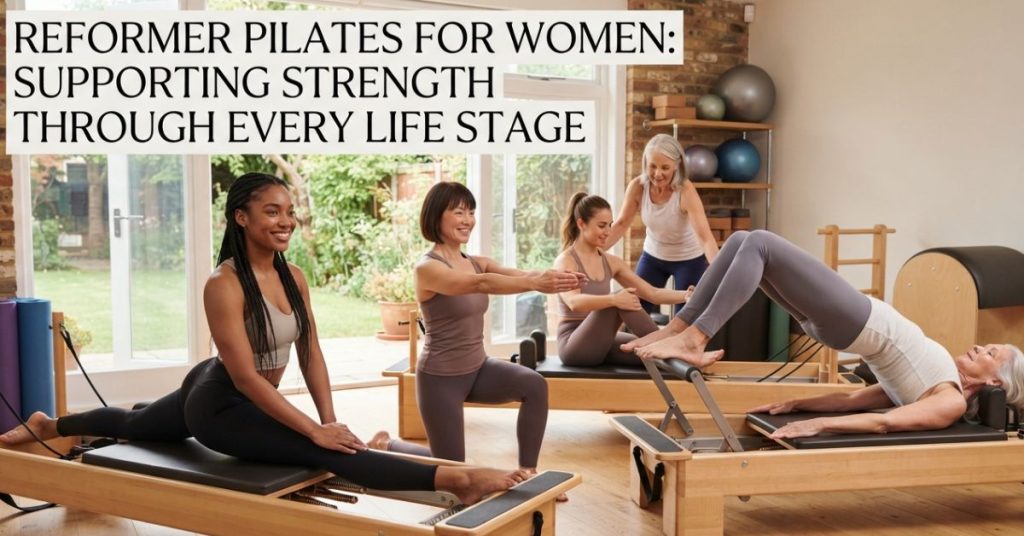
Women’s bodies, routines, and fitness goals change over time. What feels right in your 20s may not be the same approach you want during pregnancy, after having children, or during menopause. That does not mean exercise has to become more complicated. It simply means your workouts may need to change with you.
Reformer Pilates is one option that can be adjusted as your needs change. The machine uses springs, straps, and a moving carriage to create resistance while allowing exercises to be modified for different fitness levels. This makes it possible to focus on strength, mobility, balance, and control without relying on high-impact movements. Research also suggests Pilates can improve areas such as strength, flexibility, balance, and physical function in different groups of women.
Why Reformer Pilates Works Well for Women?
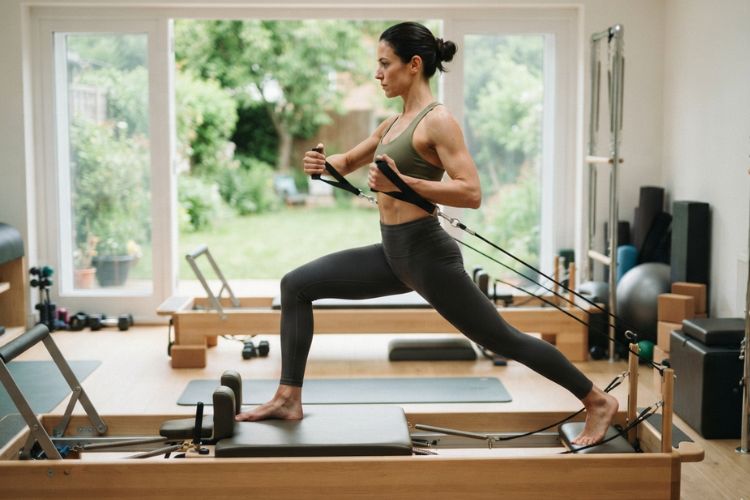
One of the main advantages of the Reformer is its adjustable resistance. Springs can be changed to make exercises easier or more challenging, which allows women to progress at their own pace. The equipment also supports a range of movements that can work the core, legs, arms, and hips.
When choosing a reformer Pilates studio, look for experienced instructors, suitable class levels, and an environment where exercises can be modified when needed. This can be especially valuable when your fitness needs change during different stages of life.
Reformer Pilates can also complement other activities, including walking, running, swimming, cycling, and Strength Training. It does not have to replace the exercises you already enjoy; instead, it can add variety while helping you work on control, stability, and mobility.
Reformer Pilates Through Different Life Stages
Reformer Pilates in Your 20s and 30s
Your 20s and 30s can be a good time to build a strong foundation for future fitness. If you spend much of the day sitting at a desk, commuting, or working from home, regular movement can also help you stay aware of your posture and mobility.
A Reformer Workout can challenge your core, legs, hips, and upper body while helping you develop better control. It can also complement running, gym sessions, recreational sports, or other activities you already enjoy.
The goal is not to exercise perfectly. Building a routine you can maintain is more valuable than constantly changing workouts or pushing yourself to exhaustion.
Reformer Pilates During Pregnancy
Pregnancy can change the way you move, from your posture and balance to how comfortable certain exercises feel. If you already practice Pilates, you may be able to continue with the right modifications, provided your healthcare provider says exercise is appropriate for you. The focus should be on staying comfortable and moving safely rather than trying to maintain your usual workout intensity.
The Reformer can be adjusted as your body changes, making it possible to modify resistance, positioning, and certain movements throughout pregnancy. However, simply using lighter springs does not make every regular Pilates class suitable for pregnancy. Some exercises may need to be changed or avoided as your pregnancy progresses.
It is a good idea to let your instructor know that you are pregnant and choose someone who understands prenatal modifications. If you are starting Pilates during pregnancy or have any health concerns, speak with your healthcare provider first so your routine can be tailored to your individual needs.
Reformer Pilates After Pregnancy
Returning to exercise after pregnancy is not about getting back to your old routine as quickly as possible. Your body has been through a major physical change, and recovery can look different from one woman to another.
Once cleared to exercise, a gradual Reformer Workout can provide a controlled way to rebuild strength. Sessions may focus on the core, hips, back, legs, and upper body while allowing resistance and movement to be adjusted.
This can be especially useful as new mothers spend more time carrying, lifting, feeding, and moving with a baby. The aim is to rebuild useful strength and confidence rather than rush into demanding workouts before the body is ready.
Reformer Pilates During Perimenopause and Menopause
Perimenopause and menopause can bring changes in energy, sleep, muscle mass, and how the body responds to exercise. This is a stage when maintaining strength and physical function becomes particularly important.
Reformer Pilates provides resistance without requiring high-impact movements. It can be one part of a broader exercise routine that includes Strength Training, walking, cardiovascular activity, and other forms of movement.
Research has found improvements in lumbar strength and flexibility after an eight-week Pilates program in postmenopausal women. More recent research has also found that clinical Pilates and aerobic exercise were both associated with improvements in areas such as sleep, psychological symptoms, and quality of life, although larger studies are still needed.
That does not mean Pilates can address every symptom of menopause. Instead, it can provide a practical way to keep moving and maintain physical capabilities during a period of change.
Reformer Pilates for Healthy Aging
Staying active as you get older is about more than maintaining a certain appearance. Strength, balance, coordination, and mobility can all contribute to feeling capable during everyday activities.
Reformer Pilates can be adjusted as your fitness level changes. Exercises can be made more or less challenging, and movements can be adapted when certain positions are uncomfortable.
For women who prefer lower-impact exercise, this can make Pilates an appealing addition to their routine. It can also complement other activities that support healthy aging, including walking and traditional Strength Training.
Key Benefits of Reformer Pilates at Any Age
While every life stage brings different priorities, some benefits can remain useful throughout adulthood:
- Core strength and stability: Controlled exercises can challenge the muscles that help support the trunk and pelvis.
- Mobility and flexibility: Moving through different positions can help maintain comfortable movement.
- Balance and coordination: Reformer exercises require attention to body position and control.
- Posture and body awareness: Pilates encourages participants to pay attention to alignment during movement.
- Functional strength: Building controlled strength can make everyday movements easier to manage.
- Low-impact exercise: The reformer can provide resistance without relying on jumping or other high-impact movements.
Personalizing Your Reformer Pilates Experience
Start with a Reformer Workout that matches your current fitness level rather than jumping straight into an advanced class. As you become more familiar with the equipment and movements, you can gradually increase the challenge.
Your routine should reflect your current needs. During pregnancy, after childbirth, or when returning from an injury, some exercises may need to be modified. Working with an instructor who understands these changes can make your sessions more comfortable and appropriate.
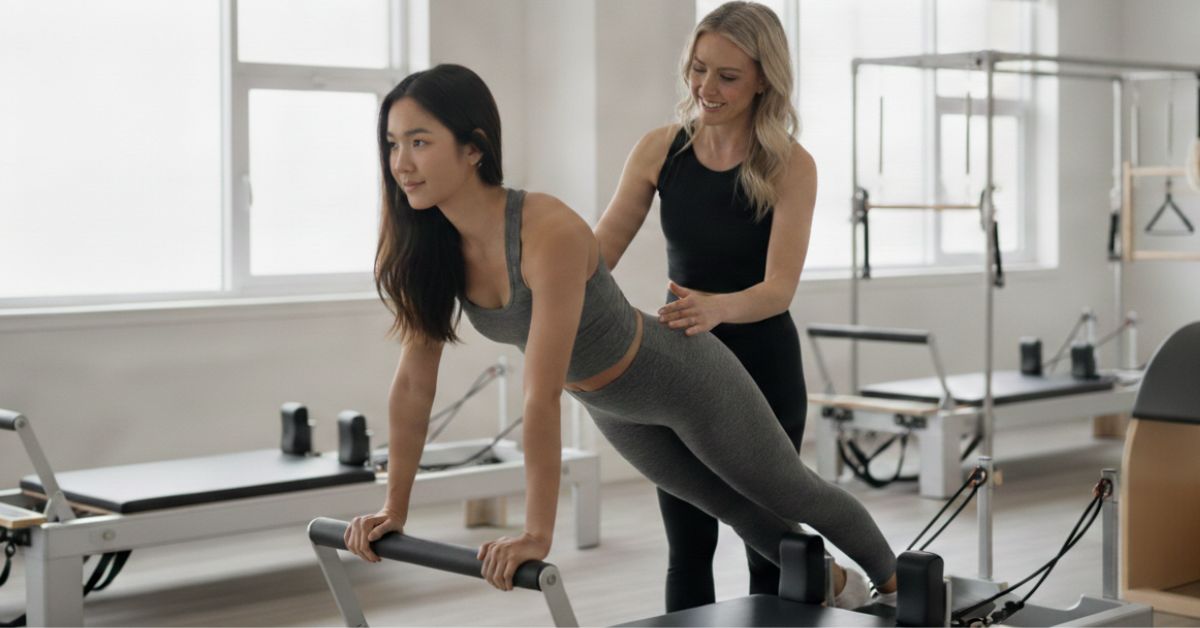
For women who prefer more individual guidance, a personalized reformer session can be adjusted around their goals, experience, and abilities. This can be especially helpful when learning the equipment or building confidence after a break.
When Should Your Pilates Routine Be Modified?
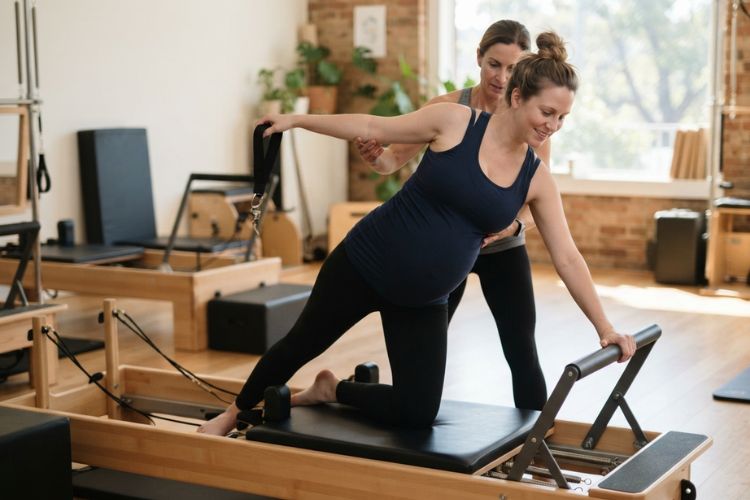
Your routine may need to change when your body or circumstances change. Pregnancy and postpartum recovery are obvious examples, but they are not the only ones. Changes in balance, mobility, strength, injuries, or general comfort can also be reasons to modify an exercise.
You do not have to stop exercising whenever something feels different. Instead, talk with your instructor about what you are experiencing. A movement may be adjusted by changing the resistance, position, range of motion, or number of repetitions.
Knowing when to modify a workout is part of building a sustainable routine. Your exercise program should support your current body rather than forcing you to work as though nothing has changed.
Conclusion
There is no single version of fitness that women need to follow throughout their lives. Your goals, schedule, body, and priorities can change, and your workouts can change with them.
Reformer Pilates offers an adaptable approach to Women’s Fitness, with adjustable resistance and exercises that can be progressed or modified at different stages of life. From building a foundation in your 20s and 30s to staying active through pregnancy, postpartum recovery, menopause, and healthy aging, the focus can remain on moving well and building useful strength.
The most important thing is finding a routine you can maintain and adapting it when your needs change. A qualified instructor can help you choose appropriate exercises, while healthcare professionals can provide guidance when pregnancy, postpartum recovery, injuries, or other health considerations are involved.
FAQs
Is Reformer Pilates suitable for women of all ages?
Yes. Exercises and resistance can be adjusted for different fitness levels, goals, and life stages.
Can I do Reformer Pilates during pregnancy?
It may be appropriate for some women with suitable modifications. Speak with your healthcare provider and work with a qualified prenatal instructor.
Is Reformer Pilates good after pregnancy?
It can support a gradual return to exercise once you are ready and medically cleared, with the focus on rebuilding strength and movement control.
Can Reformer Pilates help women during menopause?
It can support strength, mobility, balance, and physical function and can complement other forms of exercise during menopause.
How often should women do Reformer Pilates?
The ideal schedule depends on your goals, fitness level, and other activities. Beginners can start with one or two sessions per week and adjust from there.