Seeing a Pilates machine for the first time can leave you with plenty of questions. There is a moving platform, a set of springs, long straps, and a bar that looks almost like a footrest. You might wonder where to sit, what to hold, or why the platform keeps sliding back and forth.
That’s where understanding Reformer Pilates Equipment comes in handy. Every part of the machine has a job, whether it’s providing resistance, supporting your body, or helping you move through an exercise. Once you know what everything does, following along in class becomes much easier.
What Exactly Is a Pilates Reformer?
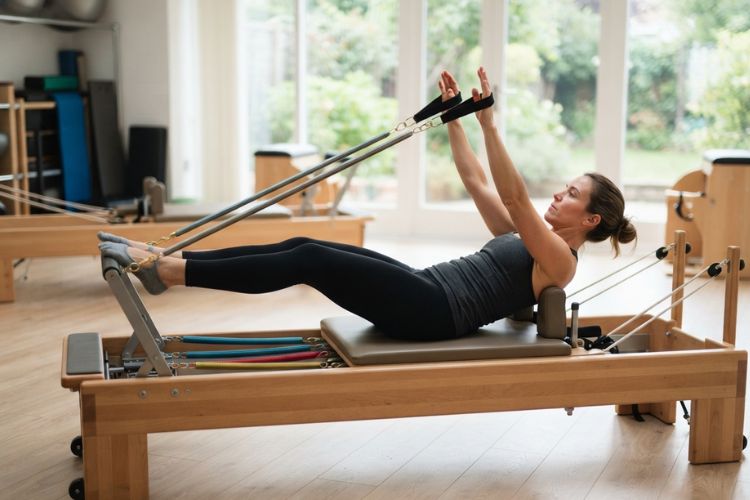
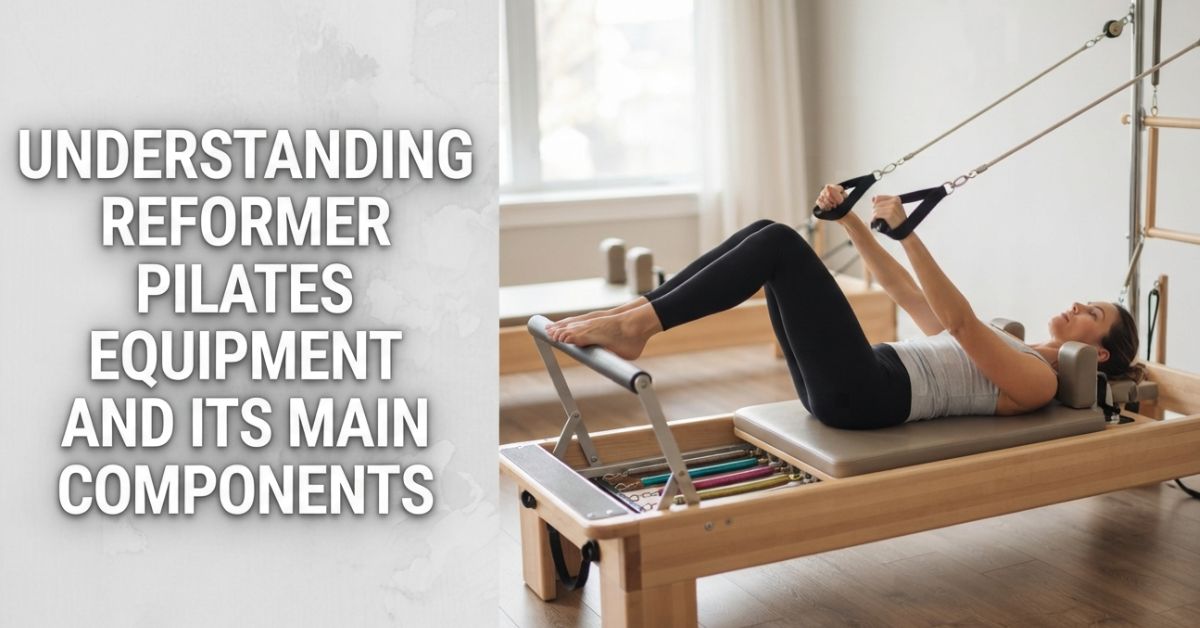
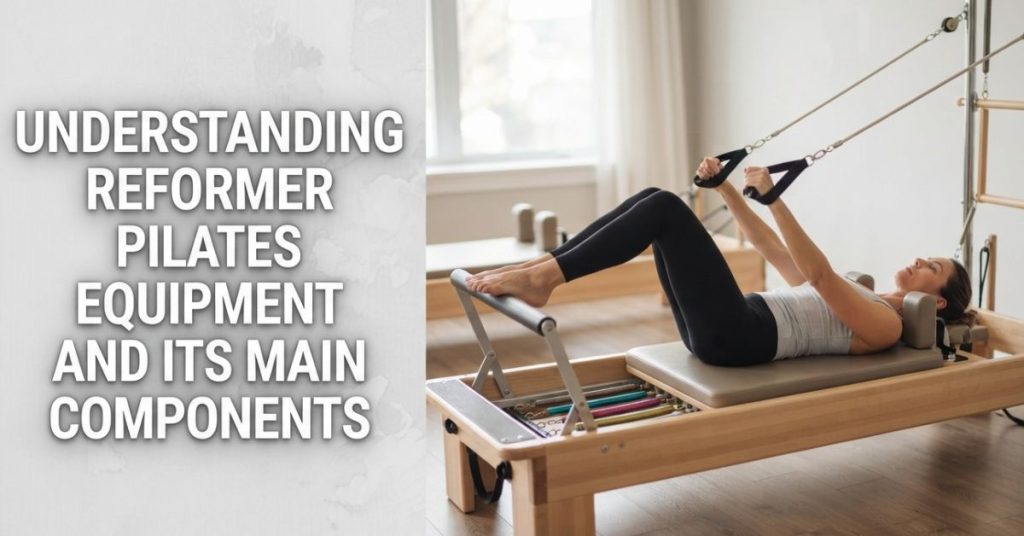
A Pilates Reformer is an exercise machine with a padded platform that slides along rails. Springs create resistance as the platform moves, while straps and a footbar allow you to perform different movements. You can exercise while lying down, sitting, kneeling, or standing, depending on what you’re working on.
The biggest difference between mat Pilates and reformer workouts is how resistance is provided. Mat exercises mainly use body weight and gravity, while the machine adds adjustable spring resistance. This gives instructors more ways to change an exercise based on your strength, experience, and comfort.
You can use the reformer to stretch, build strength, and work on your balance. Some exercises are slow and gentle, while others take a bit more effort. During reformer Pilates classes, you can try different movements and learn how to use the machine with guidance from an instructor.
Getting Familiar With the Main Parts of a Pilates Reformer
A reformer has several components, but they aren’t as complicated as they first appear. Once you recognize the main Reformer Parts, it becomes easier to understand your instructor’s directions and see how the machine responds to different movements.
The Carriage Where Most Movements Begin
The carriage is the padded platform where you lie, sit, or kneel during exercises. It moves along the rails as you push or pull against spring resistance. Since the platform moves beneath you, controlling its speed is an important part of using the machine.
Springs That Change the Resistance
Springs are a key feature of Reformer Pilates Equipment. They stretch as the carriage moves and create resistance that your muscles work against. Different spring combinations change how much resistance or assistance you receive, depending on the exercise.
The Footbar for Pushing and Support
At one end of the reformer, you’ll find a sturdy bar where you can place your feet or hands. During leg exercises, you push against it to move the carriage. The bar can also be adjusted to different positions, depending on the exercise you’re doing.
Ropes, Pulleys, and Straps for Arm and Leg Exercises
You’ll also notice ropes and straps attached to the machine. You can hold the handles for arm exercises or slip your feet into the loops for leg movements. The ropes run through pulleys, letting you work against the springs as you move.
Headrest and Shoulder Blocks for Body Positioning
The headrest provides a padded place for your head during certain lying-down movements. Shoulder blocks help position your upper body on the carriage and provide a point of contact during exercises. The headrest may need adjusting depending on the movement.
What Other Equipment Might You See in a Reformer Pilates Class?
Some exercises involve more than the machine’s built-in components. Instructors may bring out Pilates Accessories to provide extra support, introduce new movements, or make an exercise more challenging. The props available depend on the studio and the type of class.
Pilates Box
A Pilates box is a padded box that sits on top of the reformer’s moving platform. You can sit or lie on it while doing different exercises. Your instructor may place it lengthwise or sideways, depending on the movement you’re doing.
Jumpboard
A jumpboard is a flat attachment fitted to the end of compatible reformers. It provides a larger surface for the feet during jumping-style exercises. These movements are performed while lying on the carriage rather than jumping upright.
Pilates Ring and Small Props
Other Pilates Accessories include exercise rings, small balls, and cushions. An instructor might use a ring between your hands or legs to add resistance or encourage muscle engagement. Small props can also help with positioning during certain exercises.
How Do These Parts Work Together During a Workout?
Knowing the names of the components is useful, but their purpose becomes clearer when you start moving. Many Pilates Exercises involve the carriage, springs, and either the footbar or straps working together.
Footwork With the Carriage and Footbar
During footwork, you lie on the carriage with your feet resting against the footbar. As you straighten your legs, the platform slides away and the springs stretch. Bending your knees brings the carriage back toward its starting position.
Leg Movements Using Straps and Pulleys
For feet-in-straps exercises, you lie on your back and slip your feet into the loops. As you move your legs in circles or stretch them out, the ropes and springs add resistance to each movement.
These exercises show how the Pilates Reformer can challenge your muscles without requiring you to stand or lift traditional weights. Your instructor will guide you through the appropriate movements and resistance settings.
Why Spring Settings Are Not the Same for Every Exercise
You may notice your instructor changing the springs during a workout. Different exercises need different levels of resistance and support. A setting that feels comfortable for leg presses might not work well for balance exercises.
Heavier springs can make certain exercises feel harder, but lighter ones aren’t always easier. Sometimes, you have to work harder to keep the carriage steady with less resistance. It really depends on the movement you’re doing and how you’re positioned on the machine.
During Certified Reformer Pilates instruction, you can learn how different spring settings affect your movements. Your instructor can guide you through the adjustments and help you understand which settings are suitable for each exercise.
Common Mistakes People Make on a Pilates Reformer
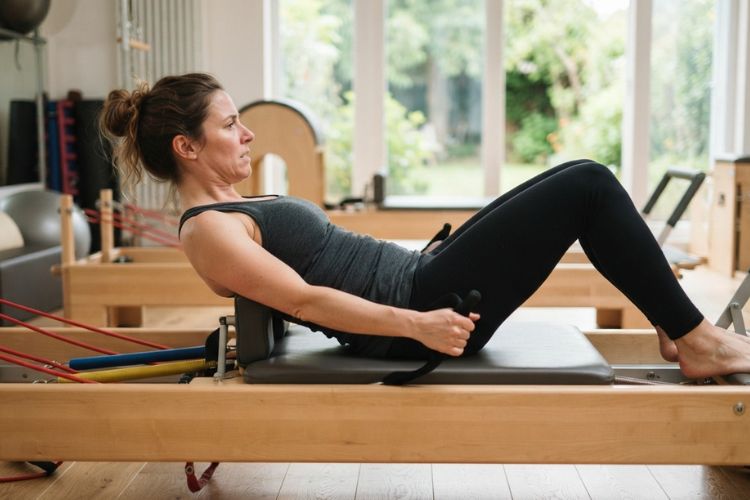
Even simple movements can feel different when you’re working on a sliding platform. Beginners sometimes focus so much on completing an exercise that they forget about speed, posture, or the position of their hands and feet.
Moving the Carriage Too Quickly
It’s easy to push the carriage out a little too fast, especially when you’re just starting. But if you let it slide back quickly, you might struggle to stay in position. Slow down a bit and try to keep the movement steady as you push out and come back.
Trying to Use Too Much Resistance
More resistance doesn’t automatically mean a better workout. Adding springs without understanding the exercise can make movement uncomfortable or interfere with proper technique. Follow the recommended settings and concentrate on performing each movement correctly.
Conclusion
A reformer can seem a little confusing at first, with all its springs, straps, and moving parts. But once you know what each part does, using the machine starts to feel much easier. You’ll also find it simpler to follow along during class.
If you’re trying Pilates for the first time or coming back after a long break, it’s okay to take things slowly. You won’t know how to use every part of the machine straight away. At Pilates Plus Columbus, you can ask questions, learn from your instructor, and get comfortable with the equipment as you go.
FAQs
What is the most important part of a Pilates reformer?
Every part has its own job. The carriage moves back and forth, the springs change the resistance, and the footbar and straps help you perform different exercises.
Can beginners use reformer Pilates equipment?
Yes, you can start using Reformer Pilates Equipment even if you’ve never tried Pilates before. Your instructor will show you how the machine works and guide you through the exercises.
Does every Pilates reformer have the same components?
Most reformers have the same basic parts, but they’re not all built exactly alike. Some are bigger, have different spring settings, or come with extra attachments.
How do you adjust the resistance on a Pilates reformer?
Resistance is adjusted by changing the number or combination of springs attached to the carriage. Your instructor can help you choose the right setting based on the exercise and your experience level.