Good posture is not just about sitting straight or pulling your shoulders back. Your head, shoulders, spine, pelvis, and hips all work together to keep your body balanced. Daily habits, such as long hours at a desk or looking down at a phone, can gradually affect that balance.
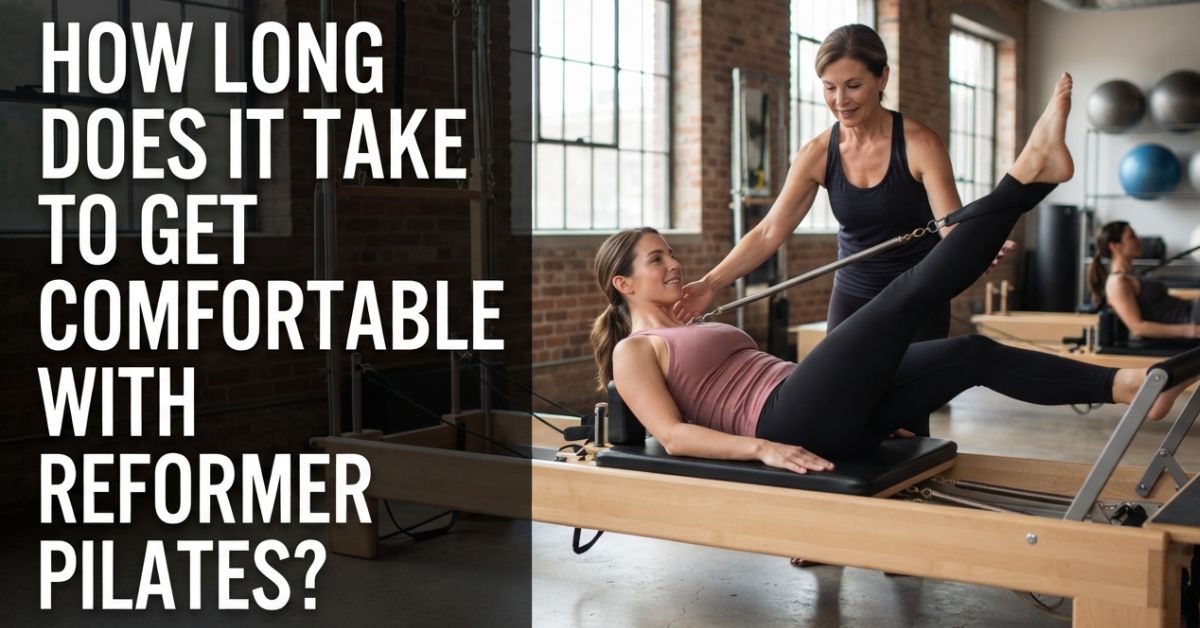
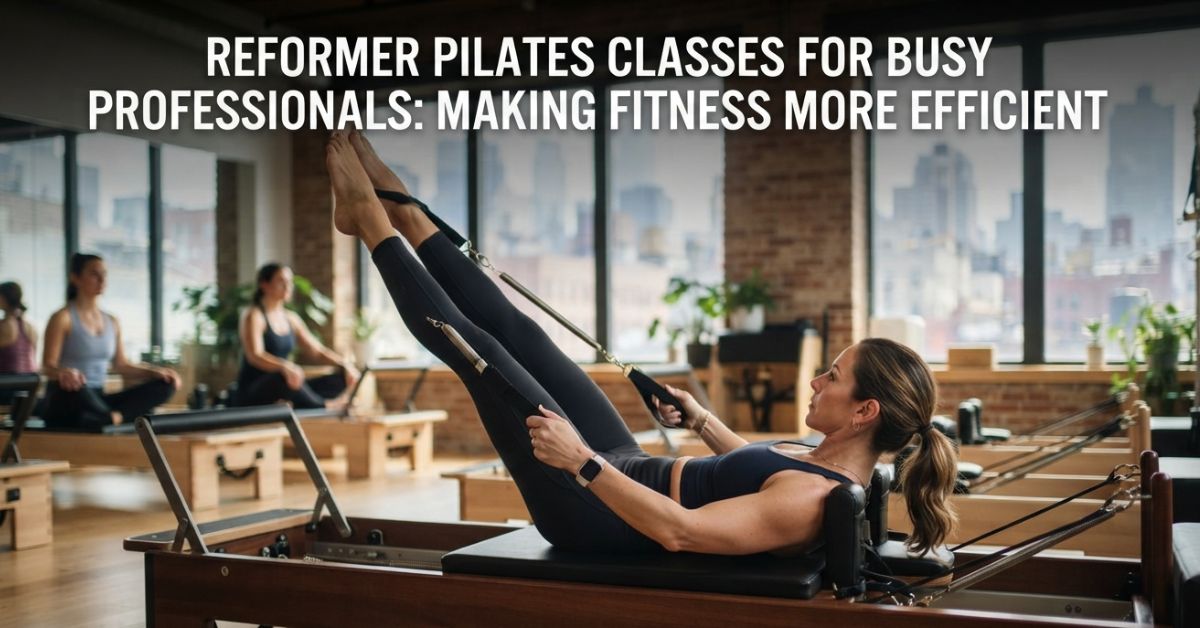
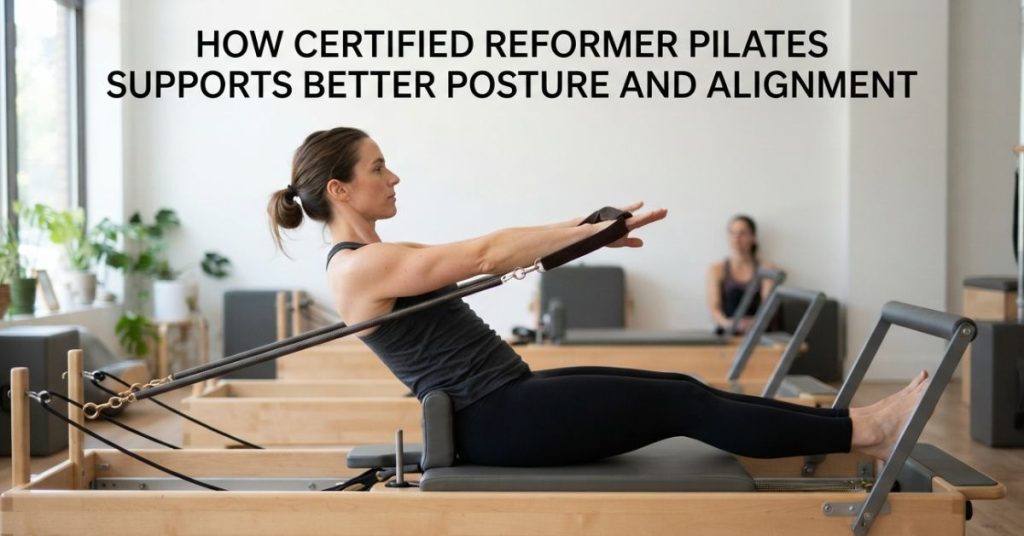
Certified Reformer Pilates offers a controlled way to work on these patterns. The moving carriage and adjustable springs provide resistance and feedback, helping you become more aware of how your body is positioned during movement.
What Affects Posture and Body Alignment?

Posture can change for many reasons, and there is rarely one cause behind it. Spending long periods sitting may encourage the head and shoulders to move forward. Limited mobility in the hips or upper back can affect how the body positions itself. Weakness in the muscles around the trunk can also make it harder to maintain a steady position.
Your daily movement habits matter as well. If your body repeatedly works from the same position, that pattern can start to feel normal. This does not mean there is one perfect posture that everyone should maintain. Healthy alignment is more about having enough strength, mobility, and control to move through different positions comfortably.
Benefits of Reformer Pilates for Posture and Alignment
Reformer Pilates can support better posture by working on strength, control, and body positioning. The exercises involve the core, back, hips, and shoulders, which all play a role in keeping the body balanced.
Strengthens Muscles That Support the Spine
The abdominal muscles, back, hips, and deeper trunk muscles all help support the spine. Certified Reformer Pilates challenges these areas through controlled resistance rather than rushed repetitions.
As you move the carriage, you have to maintain control of your body position. This can build the strength needed to support the trunk during everyday movement.
Improves Spinal Positioning
The Reformer makes changes in spinal position easier to notice. If the pelvis or spine loses control as the carriage moves, the movement can feel different. That feedback gives you an opportunity to adjust your position.
This is central to Pilates alignment. The spine should be able to bend, extend, and rotate, but those movements need control. Regular practice can make balanced spinal positioning feel more familiar.
Supports Better Shoulder and Upper Back Positioning
Spending much of the day at a computer or on a phone can contribute to forward shoulders and a rounded upper back. Exercises involving pulling, rowing, and controlled arm movements can strengthen the upper back and improve shoulder control.
The goal is not to force the shoulders backward. Instead, the focus is on developing enough strength and control for the shoulders to move and rest comfortably.
Encourages Better Pelvic and Hip Positioning
The pelvis connects the upper body with the legs, so its position can affect how the rest of the body moves. Shifting weight to one side or allowing the pelvis to move excessively can lead to compensation elsewhere.
Certified Reformer Pilates can challenge the hips and pelvis to remain controlled while the legs move. Exercises such as footwork and bridging can help develop this control and support Pilates for alignment.
Builds Control Through Resistance
Reformer springs do more than make an exercise harder. They provide resistance that requires you to control both the movement and the carriage.
Moving too quickly or using more force than necessary can affect the carriage, making it easier to notice when your control changes. This gives Certified Reformer Pilates a useful role in developing more precise movement.
Develops Awareness of Postural Habits
Posture correction often starts with noticing your usual movement patterns. You may not realize that you regularly shift your weight onto one leg, raise one shoulder, or move your head forward while concentrating.
Instructor cues can bring these habits to your attention during exercise. With practice, that awareness can carry into everyday activities and support gradual posture improvement.
Reformer Pilates Exercises That Support Better Alignment
Some Reformer exercises can be especially helpful when you want to work on alignment. Footwork helps keep the legs moving in control while the pelvis stays steady. Bridging works the hips and core and encourages smooth movement through the spine.
Pulling straps and rowing exercises work the upper back and help you get better control of the shoulder blades. Leg circles focus on hip movement while keeping the pelvis from moving too much. Spine extension exercises strengthen the back and help you stay in control as you move.
How you do each exercise also matters. The spring setting, range of movement, and your starting position can all affect the exercise. An instructor may change these details depending on your body and what you need to work on.
How a Certified Instructor Supports Better Alignment?
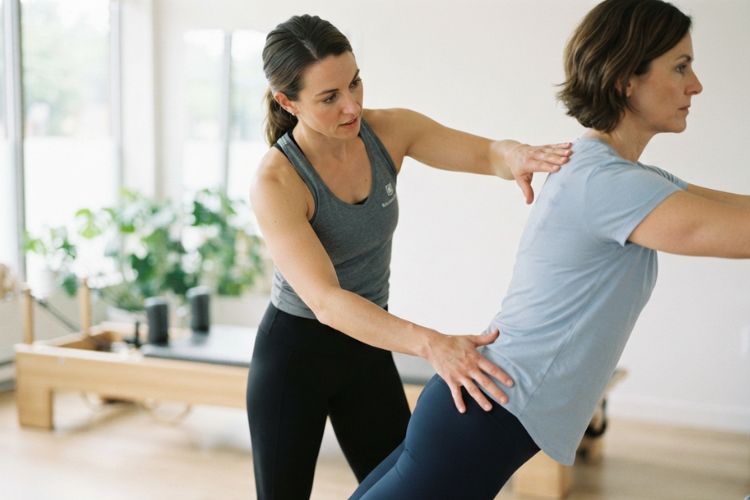
Posture work is not as simple as copying a position from a picture. Small changes in the pelvis, ribcage, shoulders, or head can affect the way an exercise is performed.
This is where certified reformer pilates instructors can provide useful guidance. They can watch how you move, identify compensations, and give specific cues to help you find a more controlled position. They can also adjust the springs or reduce the range of motion when a particular movement is not being performed well.
A good correction should make the exercise clearer. It should not force your body into an uncomfortable shape. Certified Reformer Pilates places value on controlled movement, so the instructor can work with your current movement pattern and gradually develop better control.
What Changes Can Consistent Reformer Pilates Bring to Posture?
Posture improvement takes time and usually starts with better awareness. You may begin to notice how you sit, stand, shift your weight, or hold tension in your shoulders.
With regular Reformer Pilates, stronger muscles and better movement control can make balanced positions easier to maintain. You may also feel more comfortable and coordinated when moving your spine, hips, and shoulders.
There is no set timeline for posture correction because everyone starts from a different place. Pilates for alignment can help you carry what you practice into daily movements like sitting, walking, standing, and reaching.
Conclusion
Good posture is not about keeping your body stiff or trying to sit perfectly straight all day. It depends on strength, mobility, and control working together.
Certified Reformer Pilates can help develop these qualities through steady resistance and controlled movement. With consistent practice, you may become more aware of your alignment and more comfortable maintaining it as you move. The focus should be on moving with better balance and control. Over time, this can support lasting posture improvement without forcing your body into an unnatural position.
FAQs
Can Reformer Pilates improve posture?
Yes. It can help strengthen the muscles that support your body and make you more aware of how you sit, stand, and move.
How does Reformer Pilates support spinal alignment?
It helps you practice keeping your spine and pelvis in a natural position while you move. The carriage also makes it easier to notice when your position shifts.
Can it help with rounded shoulders?
It can. Exercises that work the upper back and shoulders may help you hold your shoulders in a more natural position.
Does it strengthen muscles involved in posture?
Yes. Reformer Pilates works the core, back, hips, and shoulders, which all help support good posture.
Why does instructor certification matter?
A certified instructor can watch your movements and make small corrections when needed. This helps you perform the exercises with better form.