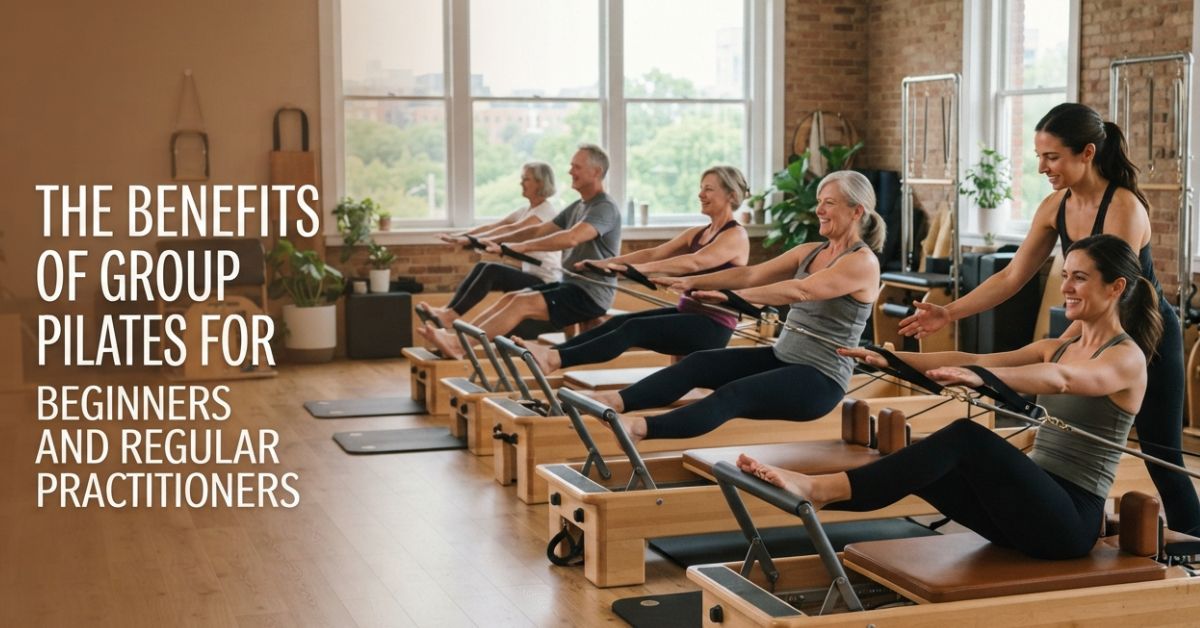
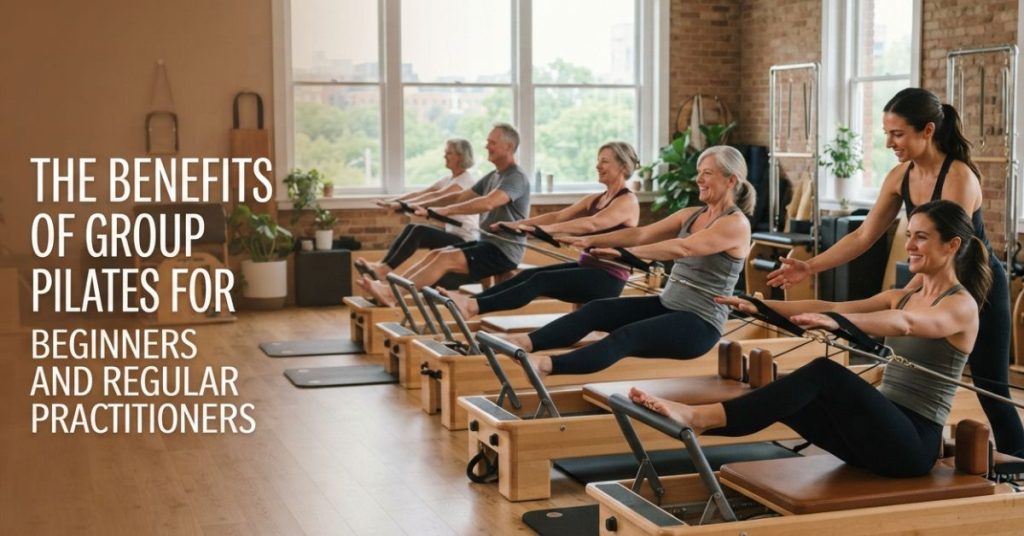
Walking into a Pilates studio for the first time can bring a mix of curiosity and uncertainty. The equipment may look unfamiliar, the movements are new, and you may wonder whether you will be able to keep up. A class setting can make that first experience much easier.
Group Pilates Classes give you an instructor to follow while allowing you to move at a pace that works for your body. You are not left trying to build a routine or figure out each exercise on your own. For people who already practice Pilates, classes also offer a reason to stay consistent, improve technique, and keep workouts interesting.
Whether you are completely new or have been practicing for months, Group Pilates can bring structure and support to your weekly routine.
What Makes Group Pilates Different From Practicing Alone?
Working out alone puts most of the responsibility on you. You have to choose the exercises, remember your form, decide how long to exercise, and keep yourself motivated. In a class, much of that planning is already taken care of.
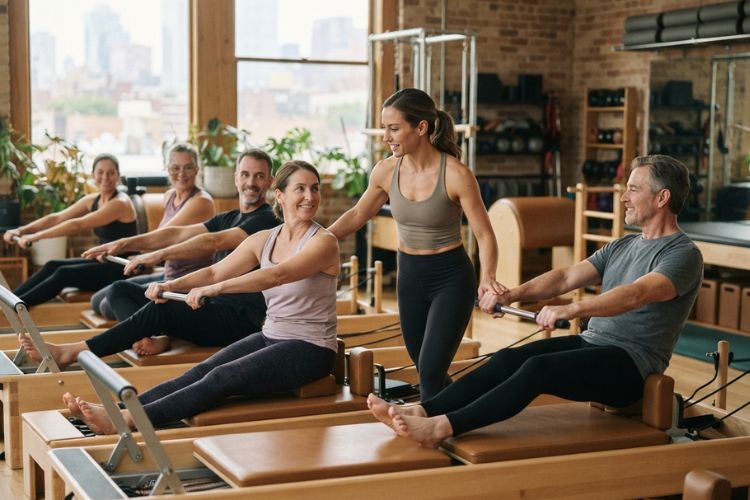
An instructor guides the exercises, explains transitions, and provides cues throughout the workout. Well-run Group Pilates Classes also allow for modifications, since not everyone in the room will have the same strength, mobility, or experience.
There is a social difference as well. Everyone has their own space and goals, but the shared setting creates energy that is difficult to get from exercising alone. This is one reason Pilates Group Classes can work for people who want guidance without making exercise feel competitive.
Benefits of Group Pilates Classes for Beginners and Regular Practitioners
The value of a class changes as your experience grows. A beginner may need help understanding basic positions, while a regular practitioner may benefit more from detailed form cues or new exercise variations. The same class environment can support both.
Get Guidance While Learning Proper Form
Pilates places a lot of attention on controlled movement. Moving slowly does not automatically mean you are moving correctly. Body position, breathing, alignment, and control all matter.
During guided Pilates Sessions, an instructor can explain where your body should be and point out adjustments when necessary. This is particularly useful when you are new and still learning what different movements are supposed to feel like.
Regular practitioners benefit too. It is easy to develop small habits after repeating an exercise many times. A reminder about shoulder position, breathing, or core control can help bring attention back to proper technique.
Feel More Comfortable When You Are New
Beginners often worry that everyone else in the room will know exactly what to do. In reality, people in a class may have very different levels of experience.
A guided Beginner Pilates Workout gives you clear directions instead of expecting you to know every exercise beforehand. You can listen, watch the demonstration, and ask questions when something is unclear.
A good instructor can also offer easier versions of certain exercises. You do not have to match the person beside you. The goal is to learn the movements safely and become more comfortable over time.
Stay Consistent With a Set Class Routine
Finding time to exercise is often harder than doing the workout itself. A scheduled class gives your workout a clear place in the week.
Booking Group Pilates Classes can remove the daily decision of whether to exercise or what routine to follow. You know when the class starts, how long it lasts, and where you need to be.
That routine can be useful for experienced participants as well. Even when motivation is low, having a class on the calendar provides a simple reason to show up and keep moving.
Find Motivation From the People Around You
Group exercise does not need to become a competition. The person next to you may have completely different goals and experience.
Still, being around others can provide helpful motivation. When the class is focused and moving together, it may be easier to finish a difficult sequence instead of stopping early.
This shared energy is one of the reasons some people prefer Pilates Group Classes to exercising at home. You still focus on your own movements, but you are not working through the session entirely alone.
Build Confidence With Every Class
The first few classes often require extra concentration. You may need time to remember exercise names, understand instructions, or learn how equipment works.
With regular practice, those details start to feel more familiar. Instead of spending the whole class wondering what comes next, you can pay closer attention to control and technique.
This growing confidence can also improve your overall Pilates Fitness routine. You begin to understand what your body can do, where you need more control, and when an exercise needs to be adjusted.
Improve Mobility Through Controlled Movement
You do not need to be flexible before starting Pilates. Flexibility can develop gradually as you move through a wider, comfortable range of motion.
Exercises that involve reaching, lengthening, bending, and controlled rotation can support Pilates Flexibility without forcing the body into uncomfortable positions. The emphasis is on steady movement rather than trying to stretch as far as possible.
Over time, better Pilates Flexibility may also make certain exercises feel more natural as your body becomes accustomed to the movement patterns.
Keep Your Routine From Feeling Repetitive
Repeating the exact same workout can eventually become dull. Classes give instructors room to change exercise order, resistance, props, and movement combinations.
That variety is especially helpful for people who already have a solid Pilates Fitness foundation. Familiar movements can still feel different when they are paired with a new sequence or performed with a different level of resistance.
Regular Pilates Sessions can therefore offer consistency without requiring you to repeat an identical routine every week.
Group Mat Pilates vs Reformer Pilates
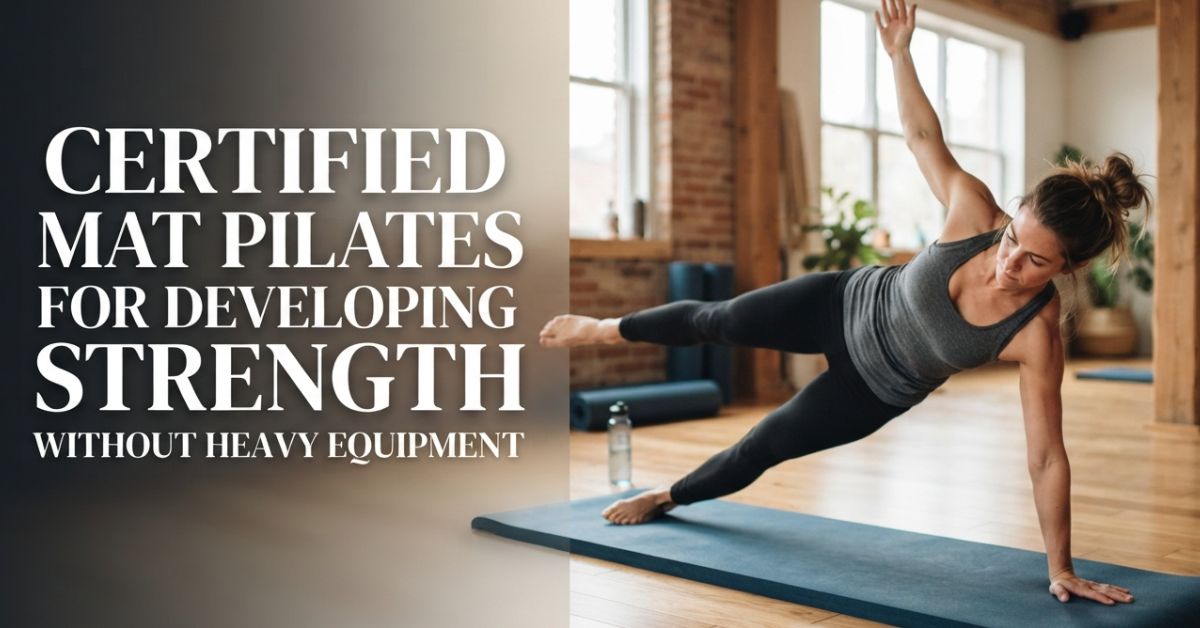
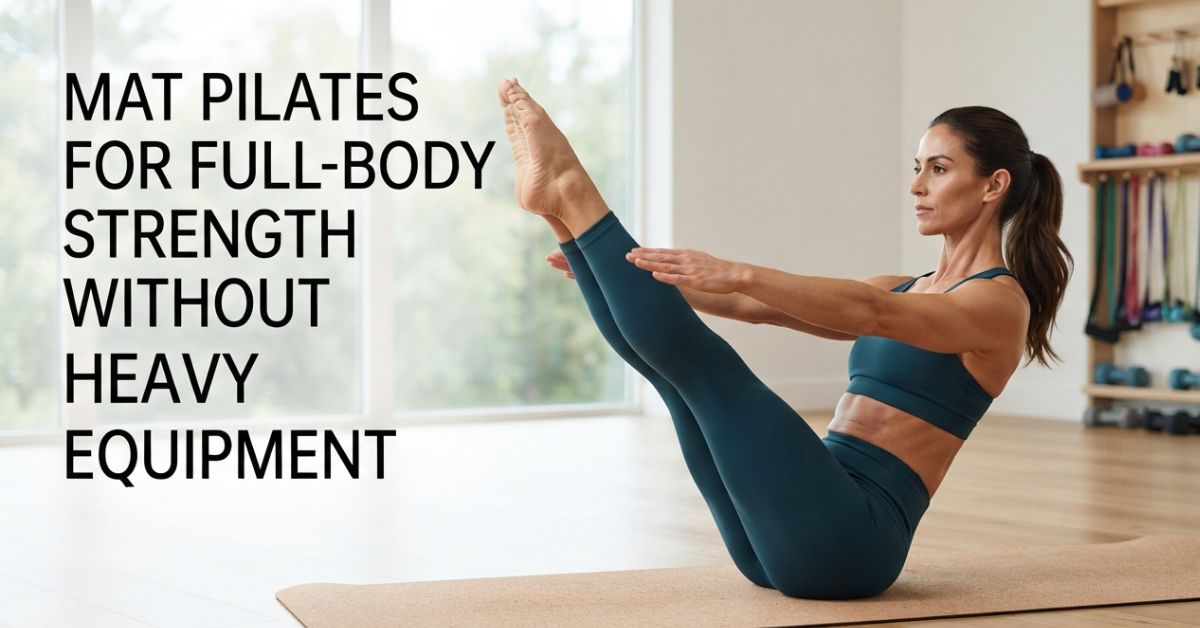
Mat Pilates is performed primarily on a mat using your own body weight for resistance. Classes may also use small props such as rings, balls, or resistance bands. It can be a practical way to learn body control, breathing, and basic Pilates movement patterns.
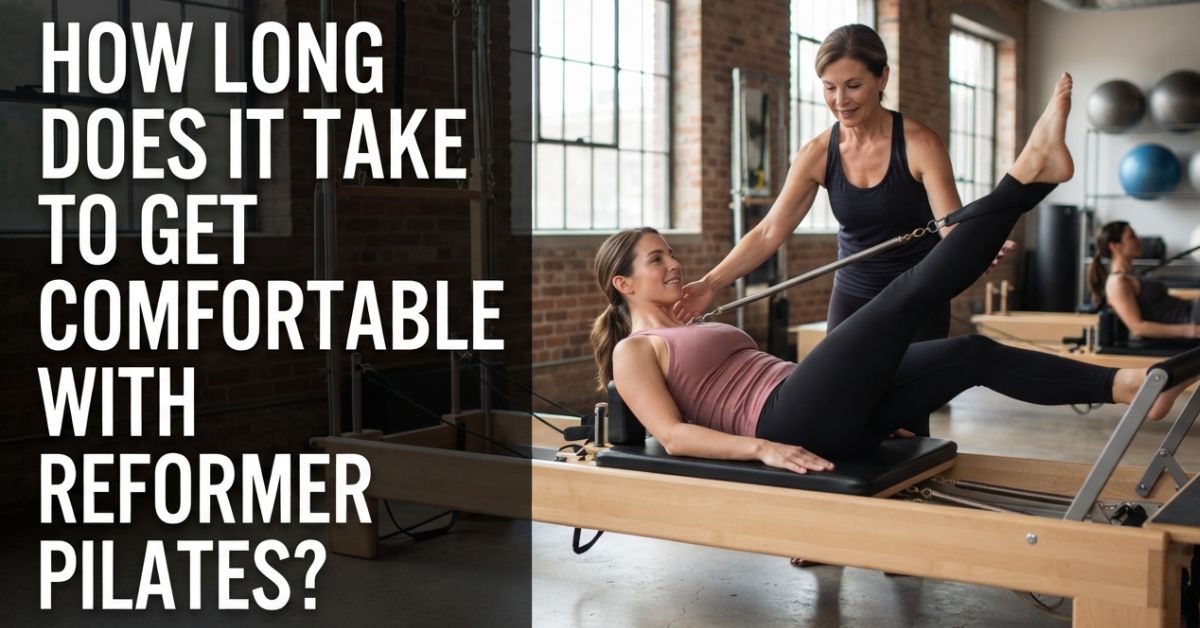
Reformer Pilates uses a machine with a moving carriage, springs, straps, and adjustable resistance. The equipment can support some movements while adding resistance to others.
Beginners may need a few classes to become familiar with the Reformer. Once the equipment makes sense, exercises can be adjusted as strength and control improve.
Both options can work in Group Pilates Classes. The better choice depends on your experience, goals, and the type of movement you enjoy.
How to Get Comfortable in Your First Group Pilates Class
Choose a class that matches your current experience rather than jumping into an advanced session. Arriving a little early also gives you time to meet the instructor and become familiar with the room or equipment.
Tell the instructor that you are new. This gives them a chance to explain anything you may not know and suggest modifications during the workout.
Most importantly, avoid judging your first class by what other participants can do. Some may have practiced for years. Focus on learning the movements and give yourself time to improve. If you are looking for group Pilates classes columbus, check the class level and format before booking so you know what to expect.
Is Group Pilates Right for Everyone?
Classes are a good fit for many people, but private instruction may be useful in some situations. Someone who wants highly individual guidance, has specific movement concerns, or needs extra time learning the equipment may prefer to begin one-on-one.
Others may start privately and later move into Group Pilates Classes once the basic movements feel familiar. There is no single route that works for everyone.
The important part is choosing an environment where you can understand the instructions, use suitable modifications, and progress without feeling pressured to match someone else’s pace.
Choose a Class That Helps You Keep Progressing
A good class should offer more than a place to exercise. Look for qualified instructors, clear explanations, manageable class sizes, and options for different ability levels.
The atmosphere matters too. Group Pilates works best when participants feel comfortable asking questions and using modifications when needed.
Pilates Plus Columbus offers small-group Mat and Reformer options for people at different points in their practice. If you are ready to add guided movement to your routine, explore their group Pilates classes and find a class that fits your current level.
Make Pilates a Regular Part of Your Week
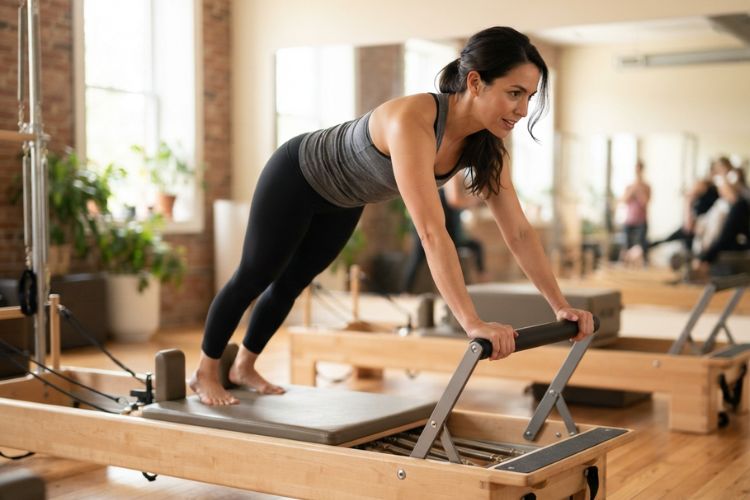
Starting Pilates does not require you to know every movement or keep pace with experienced participants. A well-led class gives you room to learn, ask questions, and become more confident through regular practice.
For experienced participants, the benefits continue. Instructor feedback, new exercise combinations, scheduled workouts, and the energy of exercising with others can keep a familiar routine productive and interesting.
FAQs
Are Group Pilates Classes suitable for complete beginners?
Yes. Beginner-friendly classes are designed for people who may have little or no Pilates experience. The instructor explains the movements, gives form cues, and can offer simpler options when needed. Let the instructor know it is your first class so they can provide extra guidance.
Do I need to be flexible before starting Pilates?
No. You do not need to be naturally flexible to begin. Pilates Flexibility can develop gradually as you practice controlled movements and work within a comfortable range. Your starting point does not need to match anyone else’s in the class.
How often should beginners attend Pilates classes?
Many beginners start with one or two classes per week while they learn the basic movements and allow their bodies time to adjust. The right schedule depends on your fitness level, goals, other activities, and how your body responds between workouts.
Is a group class better than private Pilates?
Neither option is automatically better. Group classes can provide structure, motivation, and a social setting, while private instruction gives you more individual attention. Beginners who need extra help with technique or equipment may prefer private instruction before joining a group.