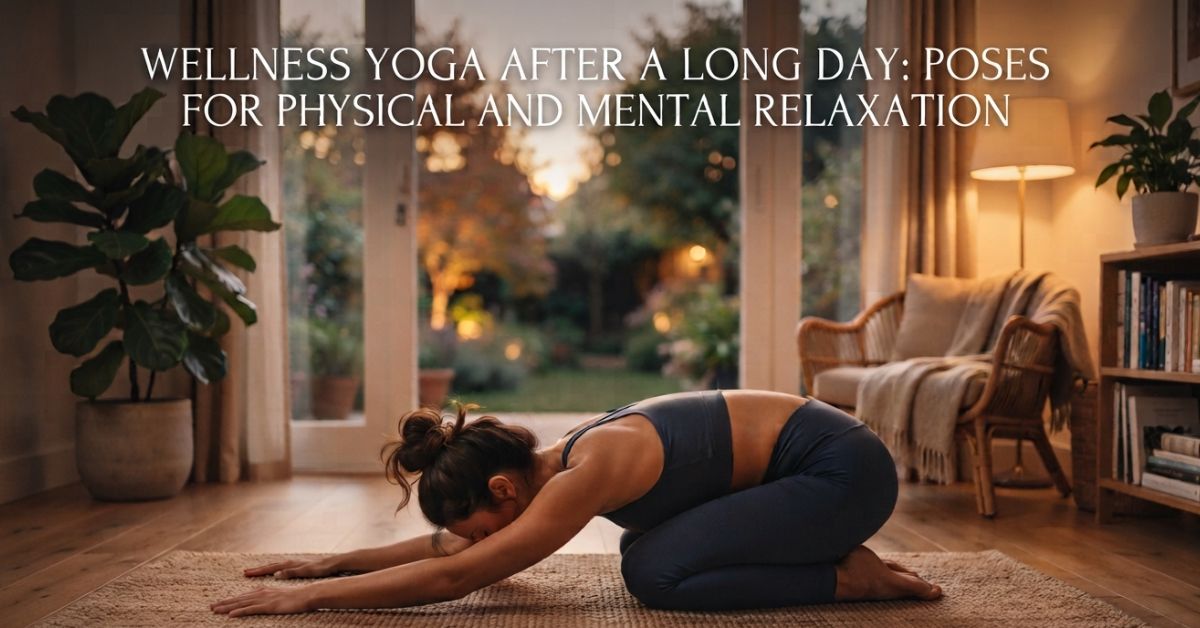
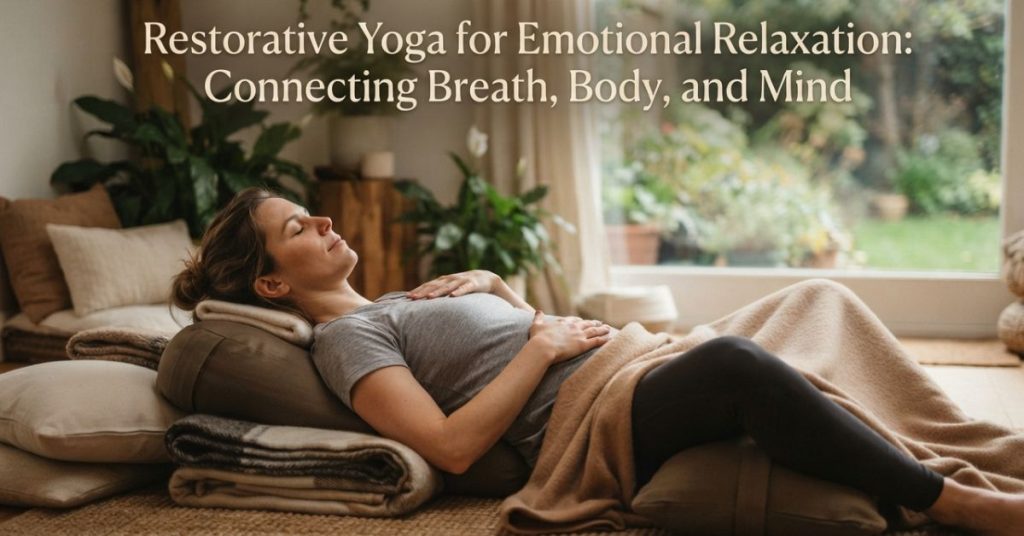
Stress does not always leave when a busy day ends. Your shoulders may stay tight, your breathing may feel shallow, or your thoughts may keep moving when you want to rest. A gentle yoga session can give you a simple way to slow down. Restorative Yoga focuses on supported poses, quiet breathing, and stillness rather than demanding movement.
The aim is not to stretch farther or perform difficult shapes. It is to create a comfortable space where your body can settle. This makes it useful for Yoga for Emotional Wellness when you need a break from mental activity.
What Is This Gentle Approach to Emotional Relaxation?
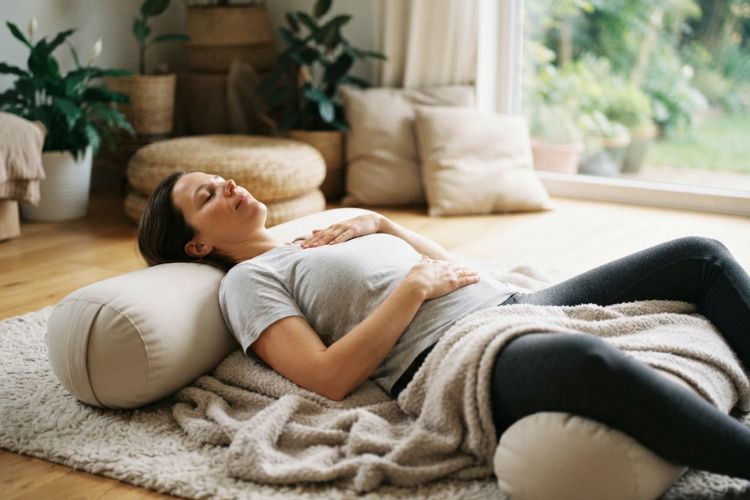
Restorative Yoga uses supported poses held for longer periods. Blankets, bolsters, cushions, and blocks help you stay comfortable with less effort. Instead of moving quickly, you settle into one position and give your body time to rest.
Restorative yoga for relaxation can be helpful when you feel mentally tired or overwhelmed. It creates a quiet break from a busy routine and can support Yoga for Emotional Wellness by giving you space to check in with yourself.
How This Practice Helps Calm the Mind and Body
Stress can affect your body in ways you may not notice right away. You might clench your jaw, raise your shoulders, or carry tension in your back. Supported poses reduce the amount of effort your muscles need, making it easier to release some of that tension.
Yoga for stress relief does not always require active movement. A gentle yoga practice can give your body a break, while Mindful Yoga helps you pay attention to what you are experiencing in the moment.
Using Breath to Deepen Emotional Relaxation
Your breathing can change when you feel stressed. It may become quicker or shallower without you realizing it. Start by noticing your natural rhythm and give yourself time to settle.
Once you feel comfortable, let your exhale become slightly longer than your inhale. Keep both slow and comfortable. When your thoughts wander, gently bring your attention back to your breath.
This simple focus can make restorative yoga for relaxation feel more calming during a stressful day. Breath awareness also works well with Mindfulness Yoga because you are not trying to clear your mind. You are simply giving your attention one steady place to return to.
Restorative Yoga Poses for Stress and Emotional Release
These poses are designed to help you ease physical tension and settle a busy mind. Use blankets, bolsters, cushions, or blocks whenever you need them. There is no need to stretch deeply. Find a position that feels relaxed and easy to maintain.
1. Supported Child’s Pose
Place a bolster or a few folded blankets in front of you. Sit back toward your heels and gently lower your upper body onto the support. Turn your head to one side and let your arms rest wherever they feel comfortable. Stay for several slow breaths and notice if your shoulders and back begin to relax.
2. Legs-Up-the-Wall Pose
Sit next to a wall and slowly lower yourself onto your back as you bring your legs up. Your arms can rest beside you, or you can place your hands over your stomach. There is nothing you need to do here. Simply stay still, breathe normally, and give yourself a few quiet minutes.
3. Reclining Bound Angle Pose
Lie comfortably on your back and bring the soles of your feet together. Let your knees fall outward at their own pace. If your hips feel tight, place cushions under your thighs. This extra support can make it easier to settle into the pose without trying to force flexibility.
4. Supported Bridge Pose
Lie down with your knees bent and feet on the floor. Lift your hips just enough to slide a yoga block underneath your pelvis. Once you are supported, allow your body to become still. Take a few breaths before slowly lowering yourself back down.
5. Savasana
Finish by lying on your back with your arms and legs relaxed. Add a blanket under your knees if needed. Close your eyes, breathe naturally, and stay still for a few minutes. This quiet ending can help you notice the difference between how you felt when you started and how you feel now.
How Props Create a Deeper Sense of Comfort?
Props reduce the effort needed to stay in a pose. A blanket can support your head or knees, while a bolster can support your chest or back. Blocks can also make a position more accessible.
Comfort matters. If you are constantly adjusting your body, relaxation becomes difficult. A supported setup gives Yoga for Emotional Wellness a more practical place in your day because you can focus on resting instead of holding yourself up.
Connecting Breath, Body, and Mind Through Stillness
Slowing down gives you a moment to check in with yourself. Your shoulders may loosen, your jaw may relax, and your breathing may become steadier. Thoughts can still come and go, and that is completely normal. Mindful yoga is simply about returning your attention to the present.
Mindfulness yoga can help you become more aware of how stress affects you physically. Over time, yoga for emotional wellness can become a simple way to pause, reset, and give yourself a break during a busy day.
Creating a Gentle Routine for Emotional Well-Being
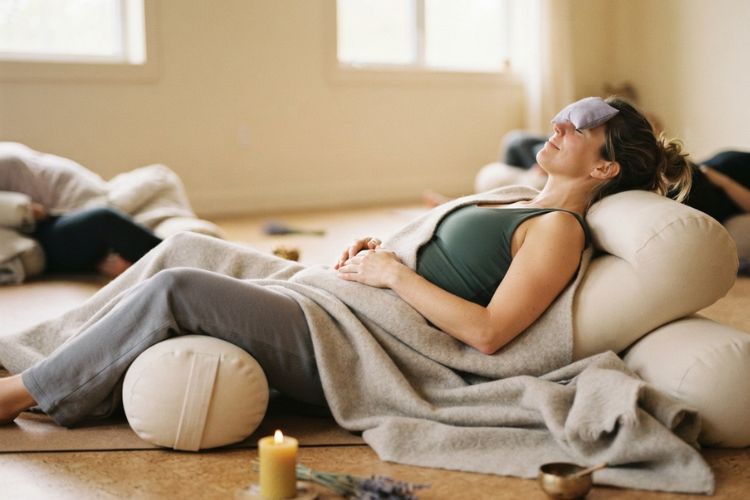
Keep your routine simple by choosing two or three supported poses and staying in each for a few minutes. You can change the timing depending on how you feel that day.
If you want guidance, restorative yoga classes can show you how to use props and set up poses safely. At home, folded blankets and cushions can work just as well. Put your phone aside, take a few slow breaths, and give yourself some quiet time to unwind.
Conclusion
A slow yoga session can create space when your mind feels crowded. Supported poses, easy breathing, and stillness can help you pause, release tension, and reconnect with your body. You do not need a long session to enjoy these benefits. Even a few quiet minutes can give you time to slow down and notice how you feel.
At Pilates Plus, yoga is part of a broader approach to mindful movement. Their classes bring together movement, breath, and body awareness in a supportive setting. Adding this kind of practice to your routine can be a simple way to make more room for Yoga for Emotional Wellness in everyday life.
FAQs
Can Restorative Yoga help with everyday stress?
A few gentle poses and slow breaths can provide a quiet break from a busy day. Yoga for stress relief can be as simple as resting for a few minutes and letting your body settle.
Is Restorative Yoga suitable for beginners?
Yes. No previous experience or flexibility is required. Poses can be adjusted to your needs, with blankets or cushions added for comfort.
Can You Practice Restorative Yoga at Home?
Yes. A quiet space, soft surface, and a few blankets or cushions are enough to get started comfortably.
How Is Restorative Yoga Different From Meditation?
Restorative Yoga uses supported poses and breathing, while meditation focuses more on stillness and attention. Both can help you slow down and feel more present.