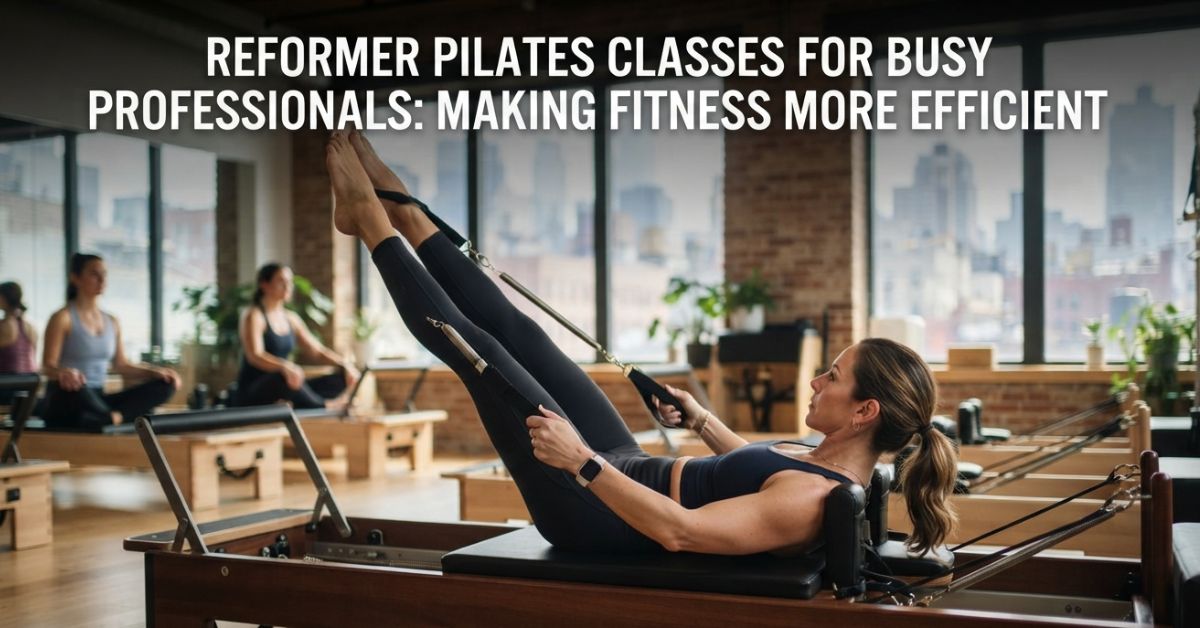
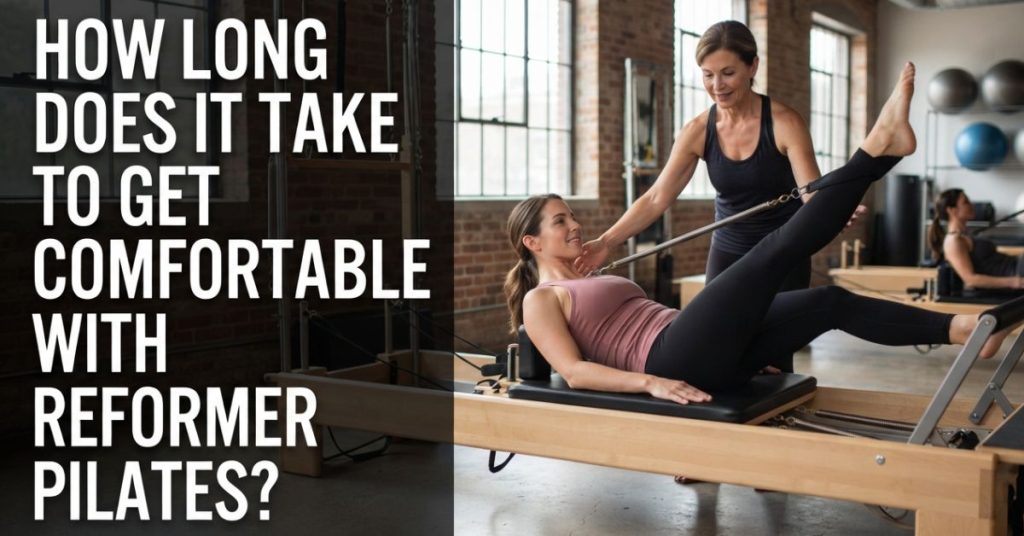
Walking into your first Reformer class can feel a little different from stepping onto a treadmill or picking up a pair of dumbbells. There is a moving carriage, several springs, straps, a footbar, and an instructor giving directions that may be completely new to you.
Most beginners need a few consistent Reformer Pilates sessions before the equipment and basic movements start to feel familiar. Feeling fully confident can take several weeks, depending on how often you attend, your previous exercise experience, and how quickly you become comfortable with the setup and cues.
You do not need to understand everything during your first class. Learning how the Reformer works is part of the process.
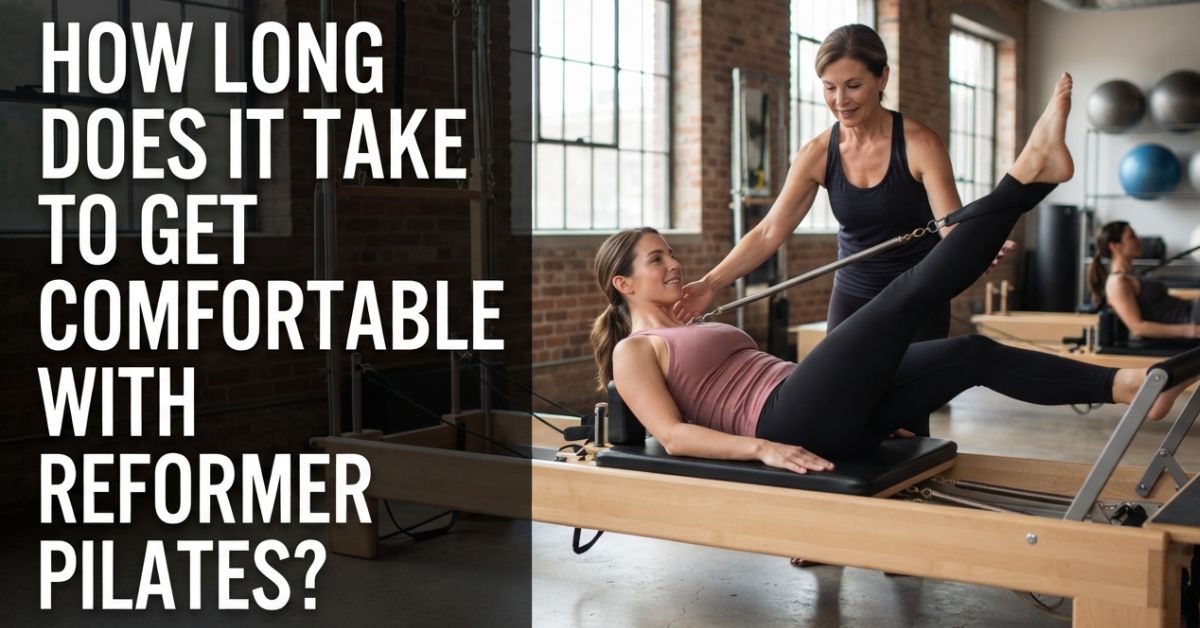
How Long Does It Take to Get Comfortable With Reformer Pilates?
There is no exact number of classes that works for everyone. Some people begin feeling more settled after three or four sessions, while others need several weeks before they stop thinking about every spring change, strap adjustment, and transition.
Frequency makes a difference. Someone attending Pilates Reformer Classes twice a week gets regular opportunities to repeat movements and remember the equipment. If classes are several weeks apart, each session may involve a little more relearning.
Your first goal should not be to master a complete Reformer Pilates Workout. It should be to understand the basic setup, follow instructions safely, and become more aware of how your body moves on the carriage.
What Does Feeling Comfortable Actually Mean?
Being comfortable does not mean knowing every exercise by name or performing advanced movements. It simply means the basic parts of class no longer feel completely unfamiliar.
You may notice that you can:
- Adjust the footbar when instructed.
- Recognize basic spring changes.
- Get into common starting positions more easily.
- Use the straps without stopping to figure them out.
- Follow familiar instructor cues.
- Move between exercises with less hesitation.
Once these details require less attention, you can concentrate more on the movement itself.
What Your First Few Classes May Feel Like
Learning the Reformer happens gradually. The experience during your first class can feel quite different from what you notice a few weeks later.
Your First Class
Your first Reformer Pilates class can feel like there is a lot to take in at once. You are figuring out where to place your feet, when to use the straps, and how the carriage moves while also trying to follow the instructor.
You may need to look around or ask for help more than once, and that is part of learning. After you have used the equipment a few times, many of these small details start to feel much more familiar.
After a Few Classes
A few classes in, you will probably notice that you are not stopping to think about every little step. Exercises you have done before start to look familiar, and changing positions or setting up for the next movement may feel less confusing.
This is where Reformer Pilates Progress often starts to show. Instead of wondering what to do with the machine, you can pay more attention to your posture, breathing, and how your body is moving.
After Several Weeks
With regular practice, transitions usually start feeling more natural. Spring changes become less distracting, common instructions make more sense, and the moving carriage no longer feels quite as unfamiliar.
At this stage, a Reformer Pilates Routine can begin to feel like an actual workout rather than a lesson in how to operate the equipment. You are still learning, but you have a better idea of what is happening and what your body is supposed to be doing.
Why Do Some Beginners Adjust Faster Than Others?
Two people can start on the same day and have completely different experiences. That does not necessarily mean one person is better at Pilates. Several practical factors affect how quickly the movements begin to feel familiar.
Previous Exercise Experience
Experience with Mat Pilates, yoga, dance, strength training, or other movement-based exercise may make certain instructions easier to understand. Someone who already recognizes ideas such as neutral spine or controlled breathing has fewer completely new concepts to learn.
Previous experience is helpful, but it is not a requirement. Reformer Pilates can still be learned from the beginning with appropriate instruction.
How Often You Attend
Consistency gives you a chance to repeat what you recently learned. Attending once and then waiting several weeks can make the equipment feel new again when you return.
Going to class regularly makes a difference because you are not starting from scratch each time. The springs, straps, and familiar exercises begin to make sense, and your Reformer Pilates Routine starts to flow without you having to think through every step.
Instruction Matters
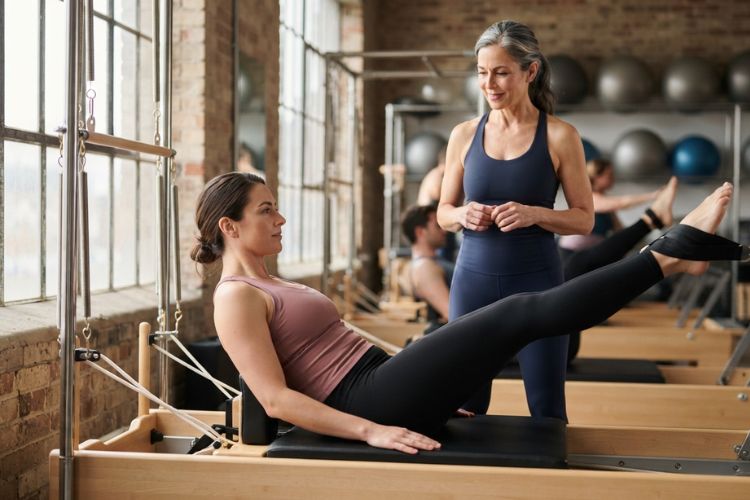
Having someone explain things clearly can make those early classes much less confusing. A good instructor shows you where your body should be, helps with the equipment when needed, and offers a different version of an exercise if the original movement does not feel right.
Learning with a Certified Reformer Pilates instructor can also give beginners more guidance on technique and equipment use rather than leaving them to copy the person next to them.
Coordination and Body Awareness
Some people naturally pick up new movement patterns quickly, while others need more repetition. Neither approach is unusual.
Pilates asks you to pay attention to several things at once, including alignment, breathing, stability, and movement. It can take time for those pieces to start working together comfortably.
What Usually Feels Difficult in the Beginning?
The exercises themselves are not always the most confusing part. Often, beginners are simply getting used to several unfamiliar things happening during the same class.
Common challenges include:
- Knowing which springs to change.
- Controlling the moving carriage.
- Getting feet or hands into the straps.
- Remembering unfamiliar exercise names.
- Coordinating breathing with movement.
- Following transitions between exercises.
- Maintaining alignment while the carriage moves.
Most of these become easier because you encounter them repeatedly during Pilates Reformer Classes. After a while, changing a spring or placing your feet correctly takes much less thought than it did during your first session.
How Can You Feel More Comfortable on the Reformer?
You cannot rush familiarity, but you can make the first few sessions less overwhelming. Small habits can help you spend more time learning the movements and less time worrying about whether you are doing everything correctly.
Arrive Early Enough to Get Settled
Give yourself a few minutes before class rather than arriving just as it begins. If the studio allows it, this gives you time to locate the footbar, carriage, springs, and straps before the workout starts.
Let the Instructor Know You Are New
There is no advantage in pretending you already know the equipment. Tell the instructor that you are new so they can explain unfamiliar setup or offer an easier variation when appropriate.
This can be particularly useful when starting reformer Pilates for beginners, where understanding basic movement and equipment should come before trying more complicated exercises.
Stop Trying to Match Everyone Else
Someone across the room may have been practicing for years. Their range of motion, spring choice, or speed does not need to become your target during your first few classes.
Instead, concentrate on your own control. A slower repetition performed well is more useful than rushing through a Reformer Pilates Workout just to stay at the same pace as someone else.
Keep Your Practice Consistent
Repeated exposure is what makes the machine feel familiar. You begin recognizing exercises, understanding instructions faster, and remembering where different parts of the equipment are located.
That familiarity is an important part of Reformer Pilates Progress. The equipment has not changed; you simply need less time to think about using it.
Do You Need to Be Fit Before Starting Reformer Pilates?
You do not have to reach a particular fitness level before trying Reformer Pilates. Beginner sessions can introduce the equipment and movements gradually, and many exercises have variations that change their difficulty.
What matters more is starting at an appropriate level and listening to instruction. Anyone with an injury, medical condition, or movement restriction should discuss appropriate exercise with a qualified healthcare professional and let the instructor know about relevant limitations.
Being new is not something you need to overcome before joining a class. The beginner stage is where you learn.
When Are You Ready to Move Beyond Beginner Classes?
Moving up should be based more on control and familiarity than on how many weeks you have attended. One person may feel ready relatively quickly, while another may prefer beginner sessions for longer.
You may be ready for the next level when:
- Basic equipment setup feels familiar.
- You understand common instructor cues.
- Spring changes no longer feel confusing.
- You can control the carriage during familiar exercises.
- Transitions require less guidance.
- You are comfortable trying more complex movement patterns.
If you are unsure, ask your instructor. They can see how you move during class and help you decide whether a more challenging level makes sense.
Getting Comfortable Comes With Repetition
There is no deadline for feeling confident on the Reformer. Many beginners start feeling more familiar after a few classes, while greater confidence with equipment, transitions, and movement can develop over several weeks of consistent practice.
Give yourself time to learn instead of judging your first class against someone else’s fiftieth. At Pilates Plus Columbus, the goal is not to understand every movement immediately, but to gradually become more comfortable, controlled, and confident each time you return to the Reformer.
FAQs
Is Reformer Pilates hard for beginners?
It can feel unfamiliar at first because you are learning both the exercises and the equipment. Beginner-friendly instruction and regular practice can make the movements easier to understand over time.
How many Reformer Pilates classes should a beginner take?
There is no required number. A few consistent sessions can help you become familiar with basic equipment and movements, while building confidence may take several weeks.
How often should a beginner do Reformer Pilates?
Many beginners start with one or two sessions per week. The right frequency depends on your fitness level, recovery, schedule, and other physical activities.
Does Reformer Pilates get easier over time?
The equipment and basic movements usually become more familiar with practice. Exercises can still remain challenging because resistance, positions, and variations can change as your ability improves.
What should I expect at my first Reformer Pilates class?
Expect to spend some time learning the carriage, springs, straps, and footbar. The instructor will typically guide you through setup and basic movements, so you are not expected to know how everything works before arriving.