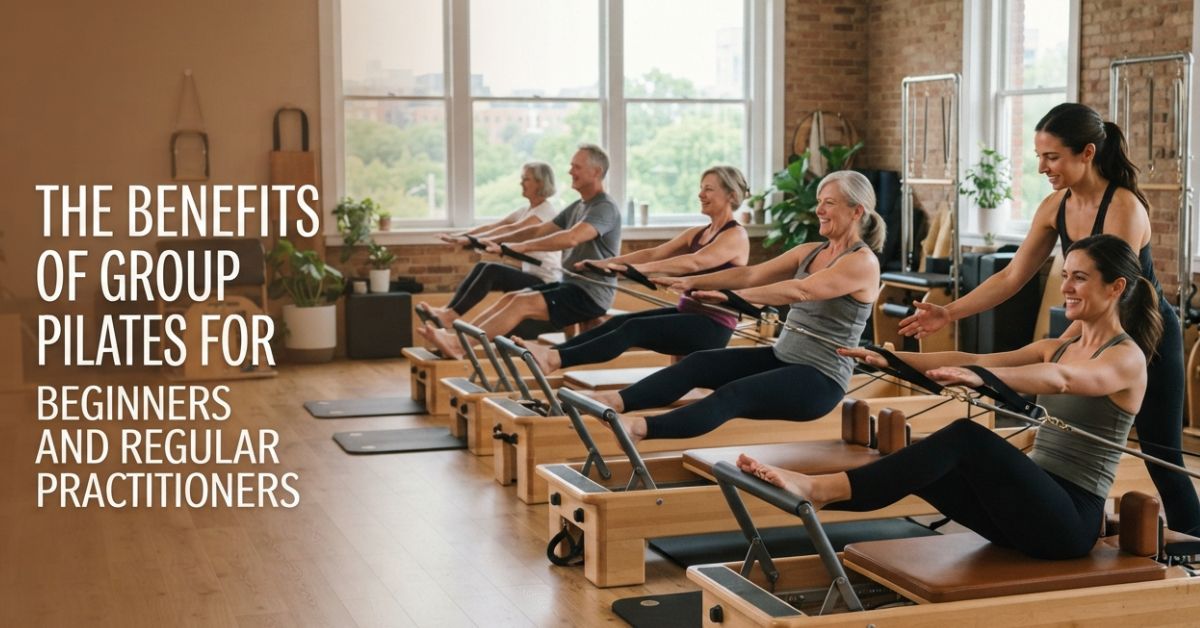

Some weeks are packed from morning to night, and exercise is often one of the first things pushed aside. This is why a wellness routine needs to be practical enough to survive busy days, changing schedules, and low-energy moments. Yoga can offer that kind of flexibility because the practice can adjust to how your body feels on a given day.
A Consistent Yoga Service provides a set time to step away from the usual routine and focus on movement, breathing, and control. With regular practice, familiar poses may feel steadier, balance can become easier to manage, and you may develop a better sense of how your body responds to different movements. This connection between physical movement and focused attention can make Mind Body Wellness a more realistic part of everyday life.
Why One Good Yoga Class Is Only the Beginning
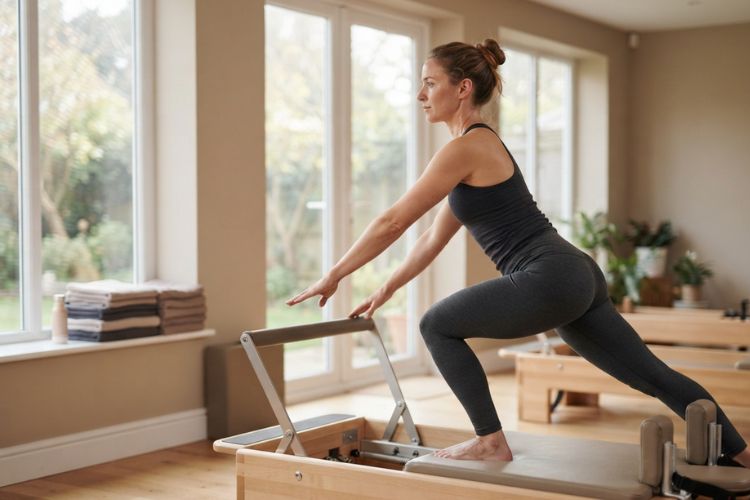
A single yoga class can introduce new poses and movement patterns, but familiarity develops through repetition. Returning to class gives you more opportunities to understand how a pose feels, where your balance changes, and how breathing fits with movement.
With a Consistent Yoga Service, you do not have to relearn everything each time you step onto the mat. Basic positions and transitions can gradually become more familiar, leaving you with more attention for control and alignment.
This is one reason Yoga for Wellbeing works best as an ongoing practice rather than something reserved for days when you feel stiff or overwhelmed. Consistency does not mean practicing every day. It means finding a schedule you can realistically return to.
Small Changes Can Add Up Over Time
Long-term yoga progress is not always dramatic. Often, the useful changes are the ones you notice during ordinary movement and familiar exercises.
Move With Less Stiffness
Yoga moves the body through bending, reaching, rotation, and lengthening. Repeating these movements within a comfortable range can gradually make them feel less unfamiliar.
People often associate yoga with extreme flexibility, but that does not need to be the goal. Yoga for Wellness can focus on comfortable movement and maintaining mobility rather than trying to reach the deepest version of every pose.
Develop Strength Without Rushing
Yoga is not only stretching. Holding positions and moving slowly between them can ask the legs, arms, core, and smaller stabilizing muscles to work together.
A Consistent Yoga Practice provides repeated opportunities to practice this control. Over time, poses that once required your full attention may begin to feel steadier as you become more familiar with supporting your own body weight.
Notice How Your Body Moves
Regular yoga can also make you pay closer attention to positioning. You may notice that balance feels easier on one side or that certain movements require more control than others.
That awareness is an important part of Mind Body Wellness because the focus is not simply on completing a pose. You are learning to notice how your body responds while you move.
Create a Regular Pause in a Busy Week
Many people move from work to family responsibilities and other tasks without setting aside much time for intentional movement. A scheduled yoga class gives that time a clear place in the week.
Using professional yoga services can also remove some of the planning. Rather than deciding which poses to perform or how to arrange a session, you can follow the instructor and focus on the practice itself.
For someone who struggles to maintain an at-home routine, a set class time may make a Consistent Yoga Service easier to keep on the calendar.
Your Practice Will Not Feel the Same Every Week
Energy, mobility, and concentration can change from one day to another. A pose that feels comfortable this week may require a modification the next time you practice. That does not mean you are moving backward.
Good Yoga Programs allow room for these differences. An instructor may suggest another position, reduce the range of a movement, or offer an alternative when a particular pose does not feel right.
Thinking this way can make Yoga for Wellbeing more sustainable. Long-term practice does not require every class to be your strongest class.
Let Yoga Work Alongside Your Other Activities
Yoga does not have to replace walking, Pilates, strength training, cycling, or other exercise you enjoy. It can simply become another part of the week.
For example, someone who regularly strength trains may appreciate a slower movement-based class on another day. A person who spends much of the week sitting may value time spent moving through different positions and ranges.
A Consistent Yoga Service is easier to maintain when it fits around the rest of your life rather than competing with everything else you already do.
How Much Yoga Is Enough to Stay Consistent?
There is no single weekly schedule that suits everyone. Your experience, other workouts, available time, and personal goals all affect how often you may want to attend.
Some beginners may start with one class a week and add another when the routine feels manageable. Others may prefer more frequent sessions from the beginning.
The useful question is not how many classes you can squeeze into one week. It is how often you can realistically return over the next several months. A manageable schedule usually gives a Consistent Yoga Service a better chance of becoming part of your normal routine.
Look Beyond Flexibility When Measuring Progress
Being able to reach farther in a stretch is only one possible sign of progress. Yoga can change in quieter ways that are easy to overlook.
You may notice that:
- Familiar poses require less explanation.
- Your transitions feel more controlled.
- You can hold your balance with greater confidence.
- You know when a modification works better for your body.
- Following your breathing during movement feels more natural.
- Returning to class becomes part of your normal schedule.
These changes can matter just as much as reaching a more advanced pose. Well-planned Yoga Programs can give participants opportunities to build on familiar skills instead of measuring success only by flexibility.
Keep Daily Stress From Controlling Your Routine
A busy week can easily throw exercise plans off track. A late meeting, a long to-do list, or an unexpected responsibility can leave little time to focus on yourself. Before long, movement gets pushed to another day.
Making Yoga for Daily Stress part of your schedule gives you a set period to put those demands aside. During class, your attention shifts to your breathing, posture, and each movement as it happens. That change of focus can offer a welcome break from a day spent rushing between tasks.
Yoga for Wellness does not require everything else in life to calm down first. Even when the week feels full, keeping a regular class on your schedule can give you a familiar way to move, slow your pace, and spend some time away from everyday demands.
What Usually Interrupts a Regular Yoga Routine?
Many routines fail because they start with expectations that are difficult to maintain. Someone may plan to attend classes almost every day, expect quick changes, or become discouraged after missing a week.
Other common problems include comparing your ability with other people, ignoring the need for rest, or assuming every session needs to be challenging.
A Consistent Yoga Service should fit your current schedule and ability. Missing a few classes does not erase previous practice. Returning when you can is more useful than giving up because the routine was not perfect.
Let Yoga Become Part of How You Care for Yourself
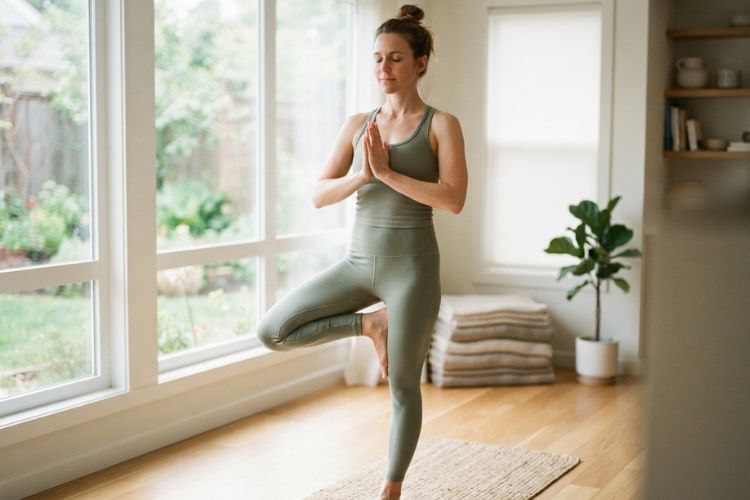
Long-term wellness is rarely about maintaining a perfect schedule. It is about finding habits that still make sense when work gets busy, energy changes, or life does not go according to plan.
Regular yoga can provide time for movement, body awareness, breathing, and a break from the usual pace of the day. The effects may develop gradually, but that is exactly what makes the practice suitable for long-term use.
Pilates Plus Columbus offers guided yoga options for people looking to make regular movement part of their routine. Start at a level that feels manageable and give yourself time to see how steady practice fits into your wider wellness goals.
FAQs
Do I need to practice yoga every day for long-term benefits?
No. Daily practice is not required. A schedule that fits your life and allows you to attend regularly may be easier to maintain over time.
Can someone with no yoga experience start regular classes?
Yes. Beginners can start with classes that match their current experience and use instructor-provided modifications while becoming familiar with the poses.
Can I practice yoga and Pilates during the same week?
Yes. Many people include both in their weekly movement routine. Your ideal schedule depends on your activity level, goals, and recovery needs.
What if I miss several yoga classes?
You do not need to start over. Return at a comfortable level and give yourself time to become familiar with the movements again.