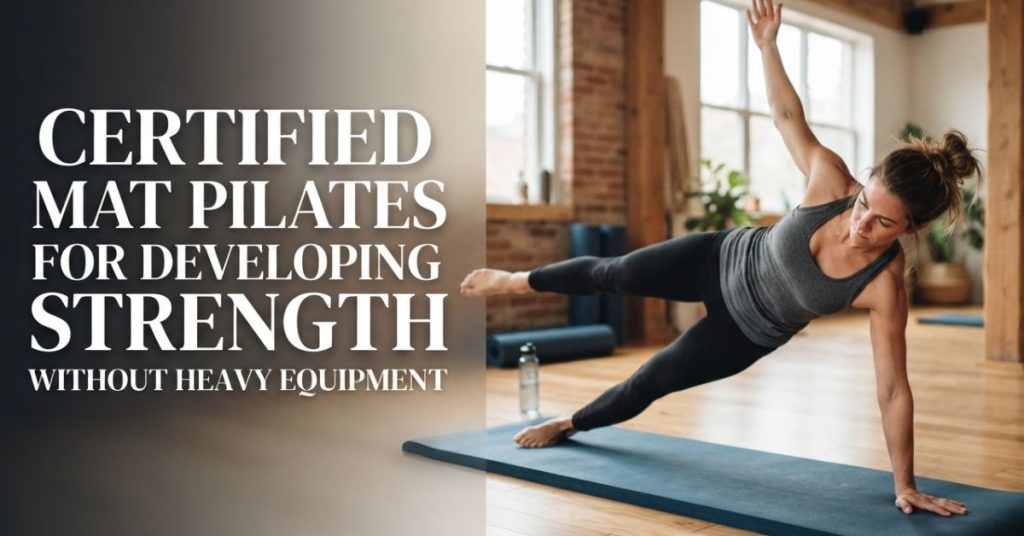
Building strength does not always mean lifting heavier dumbbells or moving from one gym machine to another. Your muscles can work hard when they have to support your body, hold a steady position, or complete a movement slowly without relying on momentum.
That is one reason Certified Mat Pilates can be more challenging than it first appears. The exercises use body weight, gravity, balance, and controlled movement to create resistance. With proper guidance, the difficulty can also change as you become stronger, allowing you to keep progressing without making heavy equipment the center of every workout.
Where Does the Resistance Come From Without Weights?
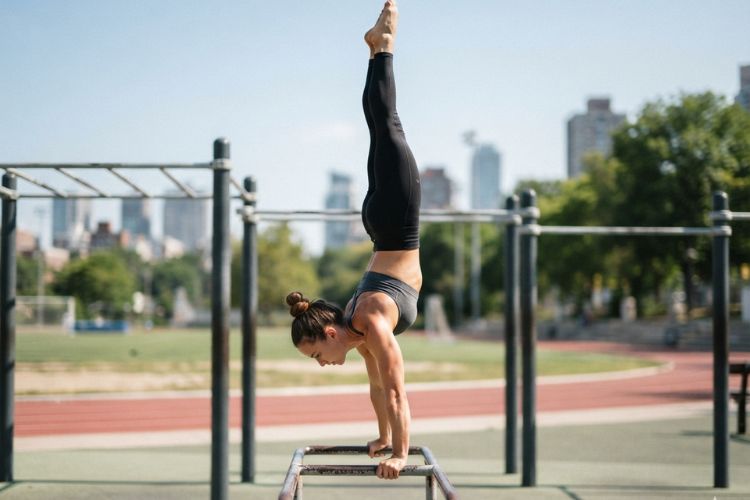
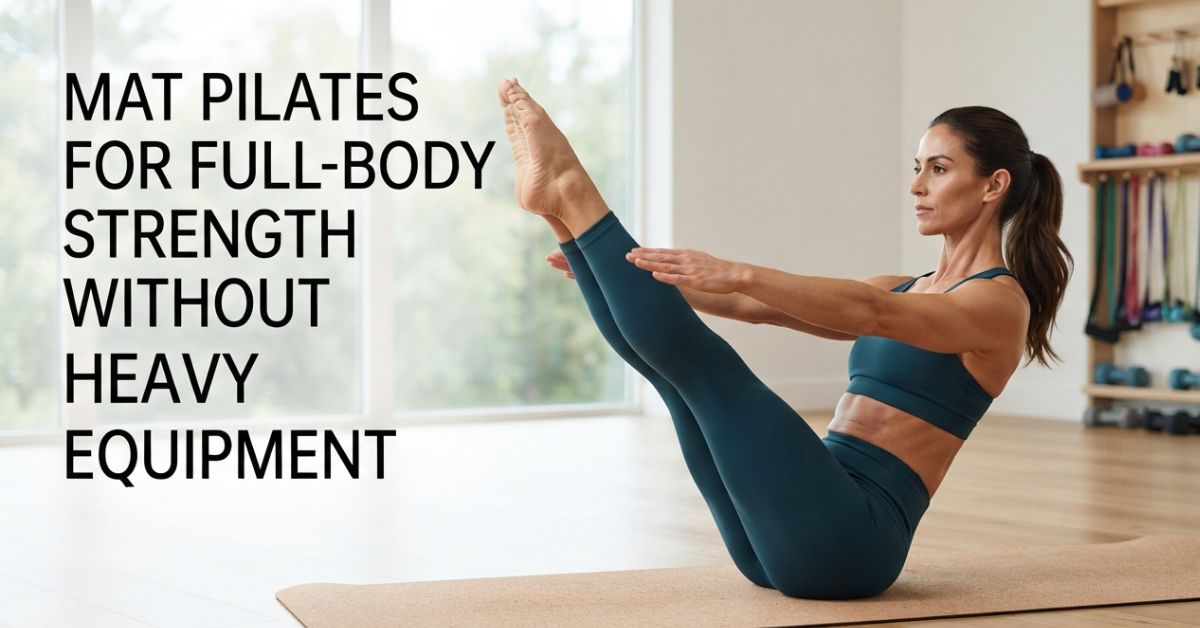
On a mat, your own body creates much of the resistance. Try holding your legs above the floor while keeping your back and hips steady. You are not holding a dumbbell, but your muscles still have to work to maintain that position.
Gravity adds another challenge. Moving your arms or legs farther away from your body can make a familiar exercise feel much harder. Your muscles have to support the extra demand while keeping the rest of your body from shifting out of place.
The pace of each movement matters too. When you slow an exercise down, there is less chance to rely on speed or momentum. Your muscles stay active for longer, making even simple movements more demanding without adding heavy equipment.
Strength Starts With Controlling Your Own Body
It is easy to think of strength only in terms of how much weight you can lift. But being able to control your own body is another useful form of strength.
During bridges, leg lifts, planks, side-lying exercises, or swimming movements, several areas may need to work at the same time. One part of your body moves while another stays steady. A leg lift, for instance, is not simply about getting the leg higher. Your hips and trunk also need to remain controlled as the leg travels.
This is where Certified Pilates can add value. Instead of completing a set number of repetitions any way you can, the focus stays on how you perform each one.
Why Certified Guidance Changes the Way You Train
It can be difficult to notice your own position when you are concentrating on finishing an exercise. Your hips may begin to turn, your shoulders may creep upward, or your back may change position as you become tired.
With Certified Mat Pilates, an instructor can watch these small details while you move. They may pay attention to your breathing, spinal position, range of motion, shoulder placement, and the way you control each repetition.
Working with certified mat Pilates instructors can also make exercises easier to adjust to the individual. One person may need a little more support, while someone else may be ready for a harder variation.
A Small Adjustment Can Completely Change an Exercise
You do not always need a new exercise to make your muscles work differently. Sometimes a small change is enough.
Lowering a leg slightly, adjusting the position of the ribs, or slowing the return part of a movement can increase the challenge. An instructor can also spot when another muscle group is taking over and help you correct the position before continuing.
These details are part of what separates guided practice from simply copying movements from a screen.
Your Core Works During More Than Ab Exercises
Core work in Pilates is not limited to crunch-like movements. Your middle often has to remain steady while your arms and legs are doing something else.
That becomes important during movements such as reaching, bending, carrying, or changing direction. The goal is not to keep your body stiff. It is to have enough control around the trunk and pelvis to move without losing your position every time an arm or leg moves.
For this reason, Pilates for Strength can involve learning how different areas of the body work together rather than isolating one muscle at a time.
Your Arms and Legs Are Not Sitting This One Out
Pilates may have a strong reputation for core work, but a mat session can involve much more of the body.
Bridges and side-lying exercises can challenge the hips and glutes. Single-leg positions ask the legs and trunk to work together while also testing balance. Back extension movements involve the muscles that support the spine.
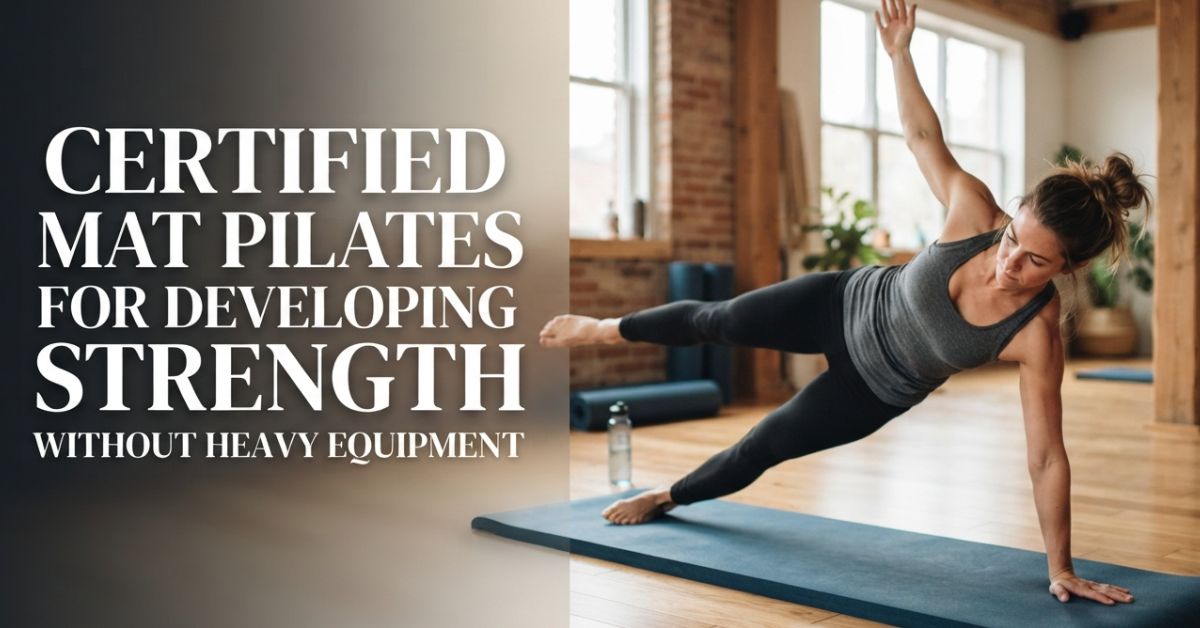
The upper body gets involved as well. Planks, side supports, and Pilates push-up variations place weight through the hands and shoulders. In this way, Strength Pilates can bring several muscle groups into one session without requiring a room full of machines.
Making a Movement Harder Does Not Always Mean Adding Weight
Once an exercise becomes comfortable, the next step does not have to be picking up something heavier.
In Certified Mat Pilates, difficulty can be changed in several ways. An instructor might slow the movement, increase the range, change the position of an arm or leg, or reduce the amount of support you have from the floor. Balance challenges and longer holds can also make familiar movements demanding again.
This is an important part of Strength Pilates because the workout can grow with your ability. Small props such as resistance bands, Pilates rings, balls, or sliders may sometimes be included, but they are not the only way to create a challenge.
Good Form Comes Before the Hardest Version
Moving into an advanced variation before you are ready can take attention away from the muscles you are trying to use. You may start twisting, holding your breath, or using momentum just to finish the movement.
Certified Pilates instruction places more value on performing an appropriate version well. That could mean reducing the range, keeping a knee down during a plank, or completing fewer repetitions while maintaining control.
A modification does not automatically make an exercise ineffective. In many cases, it gives you a better chance to learn the movement and build enough strength to progress later.
Beginners Can Build Strength at Their Own Pace
Starting Pilates does not mean you need to keep up with someone who has been practicing for years. A beginner may first need time to learn basic positions, breathing, and how to keep the body steady during simple movements.
Certified Mat Pilates allows exercises to be adjusted around that starting point. Shorter ranges, additional support, and fewer repetitions can make an exercise manageable while still giving the muscles useful work.
As control improves, those adjustments can gradually change. This gives beginners room to progress instead of feeling that they need to jump straight into advanced exercises.
Notice What Changes With Regular Practice
Progress on the mat can show up in ways that are easy to overlook. A position you could only hold briefly may start to feel steadier. You might complete a leg movement without your hips shifting or move into a more difficult variation while keeping better control.
Regular Pilates for Strength can also help you notice where your body previously relied on momentum or extra support. The aim is not simply to collect harder exercises. Better control of familiar movements can be progress too.
Staying consistent with Certified Mat Pilates gives you time to build on these smaller changes instead of expecting everything to improve after a few sessions.
Fit Mat Work Around the Exercise You Already Enjoy
Pilates does not have to replace running, sports, yoga, gym sessions, or other activities you enjoy. It can become another part of your weekly movement routine.
A guided Mat Pilates Workout may be especially useful when you want to focus on control, stability, and bodyweight strength without another heavy lifting session. It can also sit alongside Reformer Pilates if you enjoy both mat-based and equipment-based practice.
The right mix depends on what you want from your fitness routine. Heavy resistance training and Pilates do not need to compete. Each can challenge the body in a different way.
Build Strength Through Better Movement
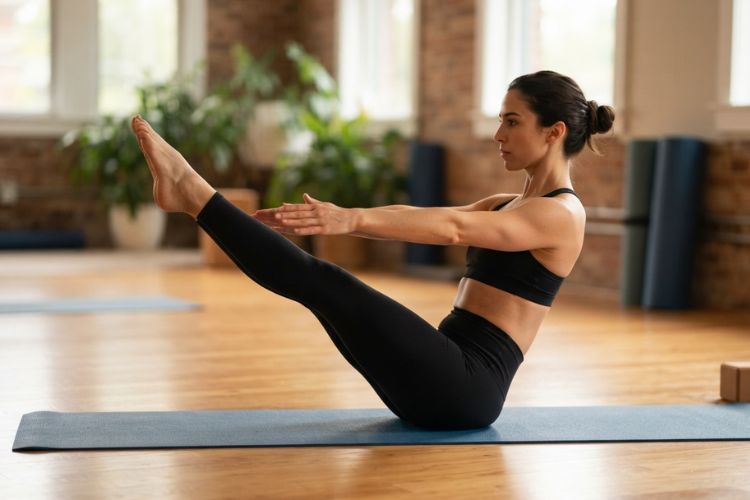
Strength is not only about the number printed on a dumbbell. Being able to support your body, stay steady, and move with control also matters.
Certified Mat Pilates provides a way to work on those skills while gradually increasing the challenge as your ability develops. At Pilates Plus Columbus, guided mat classes give you the chance to learn proper movement, work at an appropriate level, and build strength without making heavy equipment the focus of every session.
FAQs
Can Mat Pilates really build strength without weights?
Yes. Body weight, gravity, controlled movement, balance, and longer holds can all create resistance. Exercises can also become more challenging as your control improves.
Is Mat Pilates suitable for someone completely new to Pilates?
Yes. Beginners can start with simpler positions, shorter ranges, and additional support before gradually moving toward harder variations.
Which muscles work during Mat Pilates?
Mat exercises can involve the abdominal muscles, back, hips, glutes, legs, shoulders, and arms. Many movements require several of these areas to work together.
How can Pilates become harder without adding heavy equipment?
The challenge can increase through slower movement, longer holds, greater range, different body positions, reduced support, and more demanding balance work.
Do I need equipment for a mat class?
Many exercises only require a mat and your body weight. Small props may be added in some classes to provide variety or change the resistance.