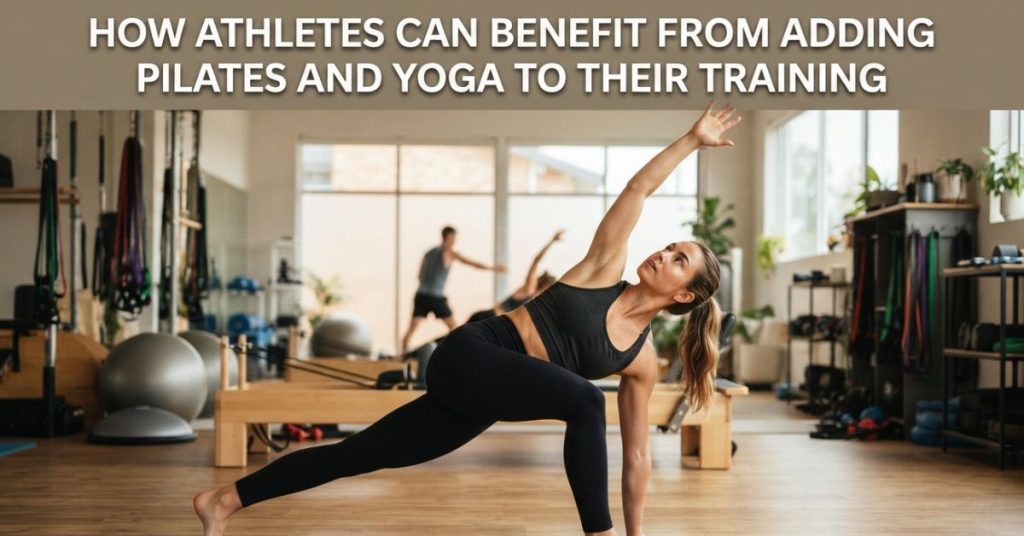
Training for a sport involves much more than building speed and strength. Athletes also need to move efficiently, maintain balance, recover between sessions, and stay in control of their bodies when fatigue sets in. Focusing only on intense workouts can sometimes leave these areas out of the routine.
Adding Pilates and Yoga can give athletes a different way to train while still supporting their main sport. Pilates focuses on controlled movement, stability, and core engagement, while yoga can add mobility, balance, and mindful movement. For runners, cyclists, swimmers, and team-sport athletes, Pilates for athletes can complement regular training by helping develop qualities that are easy to overlook during sport-specific workouts.
Builds Core Strength and Stability
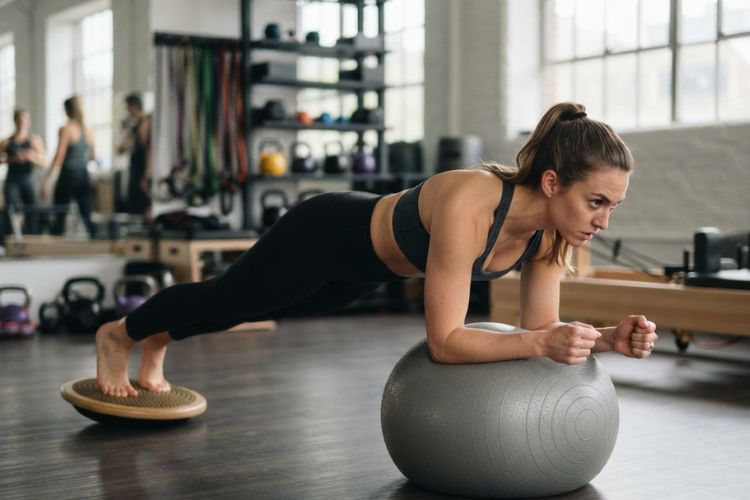
A strong core is important for more than just keeping your midsection stable. Your abs, hips, pelvis, and lower back all work together to keep you steady and help transfer force as you move. This can be especially useful when running, jumping, lifting, or changing direction.
Pilates puts a lot of focus on controlled core movements. Instead of rushing through exercises or simply counting repetitions, you pay attention to your breathing, posture, and how your body is moving. Over time, this can help athletes feel more confident and in control during their workouts.
For anyone working on Athletic strength, Pilates can be a useful addition to regular resistance training. Weight training helps build strength and power, while Pilates gives you more opportunities to work on stability and control so you can use that strength more effectively.
Improves Mobility and Flexibility
Doing the same movements over and over can leave certain parts of the body feeling tight. Runners may notice stiffness in their hips or legs, while cyclists often spend a lot of time in one position. Depending on the sport, swimmers and other athletes can experience similar issues.
Yoga gives athletes a chance to stretch and move through different positions in a controlled way. Pilates also encourages movement through a comfortable range while keeping the body aligned and supported.
Adding both to a training routine can make mobility work feel less repetitive. The goal is not to become extremely flexible. It is simply to help your body move more freely and comfortably, which can support your overall Sports fitness and make everyday training feel easier.
Enhances Balance and Body Awareness
Athletes need to know how their bodies are positioned while they move. Balance and body awareness become particularly important when an athlete is landing from a jump, changing direction, running on an uneven surface, or performing a movement on one leg.
Pilates exercises often require careful positioning and concentration. Yoga can challenge balance through standing poses, transitions, and movements that require control.
Over time, this type of practice can help athletes pay closer attention to how they move. They may become more aware of their posture, muscle engagement, and balance instead of relying entirely on automatic movement.
Supports Better Posture and Movement
Good posture is not just about standing straight. It is also about how the body is positioned during movement.
Pilates encourages awareness of the spine, pelvis, and overall alignment. Yoga also requires attention to positioning while moving into and holding different poses. These principles can be useful for athletes who want to become more conscious of their movement habits.
For example, an athlete may notice that one side of the body consistently feels tighter or that their posture changes when they become tired. Developing this awareness can encourage better attention to technique during training.
Encourages Better Breathing and Focus
Athletic performance requires mental focus as well as physical ability. Athletes often need to stay concentrated while dealing with fatigue, pressure, and challenging training sessions.
Breathing is an important part of both Pilates and yoga. Pilates often coordinates breathing with controlled movements, while yoga may combine physical poses with deliberate breathing and mindfulness.
A regular Yoga Practice can give athletes an opportunity to slow down and focus on their breathing and movement. This can be a useful contrast to fast-paced sports training, where athletes are constantly reacting and pushing their limits.
Complements Strength and Conditioning
Pilates and Yoga are best used alongside an athlete’s regular strength and conditioning workouts, not as a replacement for them. Resistance training, conditioning, and sport-specific practice are still important for improving performance and building the skills needed for a particular sport.
Pilates can bring more core and stability work into the week, while yoga can provide extra mobility, balance, and stretching. You can also fit them around your harder training days, giving your body a different type of movement without making every workout intense.
For athletes looking to improve their Sports fitness, having a mix of strength work, conditioning, mobility, and controlled movement can make the overall routine more balanced and easier to maintain.
Supports Recovery Between Workouts
Hard workouts put a lot of demand on the body, which makes recovery just as important as training. A rest day does not always have to mean sitting around all day. For some athletes, gentle movement can be a good way to stay active without putting the same stress on the body as a hard workout.
A light Pilates session can keep you moving while giving you a break from heavy lifting or intense conditioning. Gentle yoga can also be a good option, especially when it includes easy stretches, relaxed breathing, and slower movements. These types of sessions can help you stay active without turning a recovery day into another demanding workout.
It really comes down to choosing the right level of intensity. A challenging class may leave you more tired if you take it right after a tough practice, while a slower session may fit better on an easier day. Pilates and yoga should also go hand in hand with the basics, including enough sleep, good nutrition, hydration, and proper rest.
Can Be Adapted for Different Sports
Another benefit of Pilates for athletes is that exercises can be adjusted according to an athlete’s sport and individual needs.
A runner may focus on core control, balance, and mobility. A cyclist may benefit from movements that provide variety after spending long periods in a riding position. A swimmer may work on body awareness and controlled movement, while a team-sport athlete may use Pilates and yoga to complement balance and coordination training.
There is no single routine that works for every athlete. Training should reflect the physical demands of the sport as well as the individual’s experience and current workload.
How to Add Pilates and Yoga to Your Training Routine?
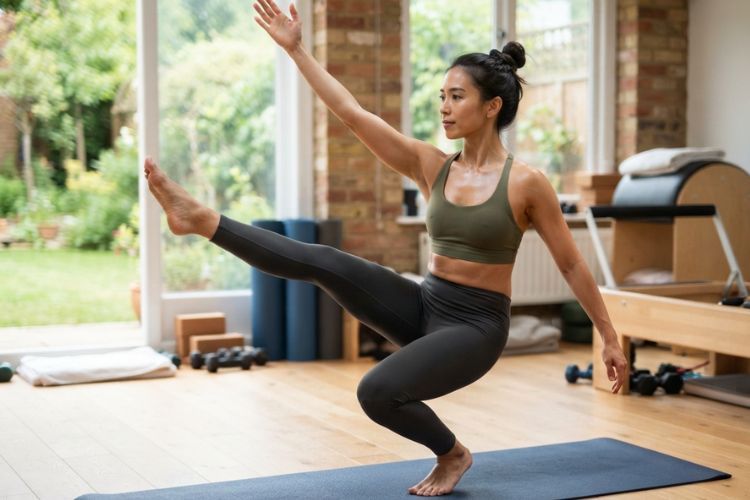
You do not have to overhaul your entire training schedule to bring Pilates and Yoga into your routine. A few simple changes can help you add them without making your week feel overloaded:
- Start slowly: Begin with one session a week and see how your body responds. Once you know how it fits with your regular workouts, you can adjust the frequency if needed.
- Choose a class that suits you: When looking for Pilates and yoga classes, consider your experience, fitness level, and the intensity of your current training. If you are new to either practice, a beginner-friendly class can help you learn the basics before moving on to more advanced sessions.
- Plan around harder workouts: A gentle session can work well on a lighter training or recovery day, while a more challenging class may be better placed away from your toughest workouts.
- Pay attention to recovery: Adding more exercise is not always better. If you notice ongoing fatigue or soreness, give your body more time to recover instead of increasing your training load.
- Build up gradually: Once you are comfortable with the routine, you can slowly increase the frequency or intensity. The goal is to find a schedule that supports your athletic training rather than making you feel worn out.
Conclusion
Being a good athlete is not just about getting stronger or faster. You also need to move well, stay flexible, maintain balance, and give your body enough time to recover. These things can make a big difference, especially when you are training regularly or competing often.
Adding Pilates and Yoga to your routine can be a simple way to work on some of these areas. Pilates for athletes can help with core control, stability, and body awareness, while yoga can add mobility, balance, and stretching. Neither needs to replace your usual strength training or sports practice.
If building Athletic strength is one of your goals, Pilates and yoga can work alongside your regular workouts rather than taking their place. The important thing is to choose sessions that fit your training schedule and recovery needs. Used this way, they can be a practical part of your Sports fitness routine and help you feel more comfortable and in control of your movements.
FAQs
Is Pilates good for athletes?
Yes. Pilates can help athletes improve core strength, stability, balance, and body control while complementing their regular training.
Can athletes do Pilates and yoga together?
Yes. Pilates focuses more on core control and stability, while yoga can support flexibility, balance, and mobility.
How often should athletes do Pilates or yoga?
Starting with one session per week is a practical option. Frequency can be adjusted based on training demands and recovery.
Can yoga improve athletic performance?
Yoga can support mobility, balance, body awareness, and flexibility, which can complement sport-specific training.